The Embassy of the Islamic Republic of Iran in New Delhi has released a strong statement, asserting that millions of Iranians have voiced condemnation against the United States and Israel. This declaration comes amidst a backdrop of significant unrest within Iran, following the death of a young woman in police custody.
Embassy's Firm Stance on Foreign Interference
In an official communication, the diplomatic mission accused what it termed the 'US-Zionist regime' of engaging in 'state-sponsored terrorism.' The embassy's core argument is that external forces are exploiting internal Iranian events to destabilize the nation. The statement sought to frame the widespread protests not as a domestic movement for change, but as a consequence of foreign manipulation and media warfare aimed at the Iranian people.
The embassy emphasized that the Iranian nation possesses the wisdom and resilience to distinguish friend from foe and to navigate through what it described as a 'critical situation.' The language used underscores Tehran's long-standing narrative that opposes Western, particularly American and Israeli, influence in the region.

Context: The Spark of Nationwide Protests
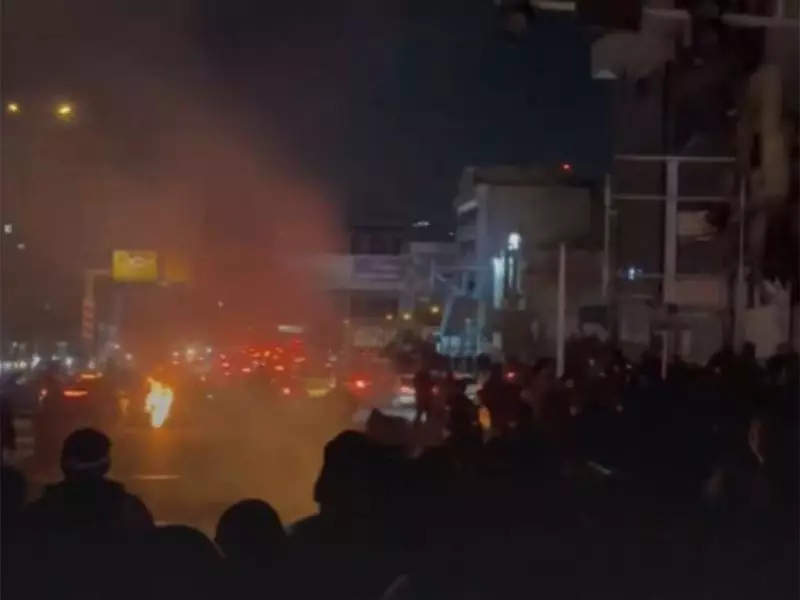
The embassy's remarks are a direct response to the massive waves of protest that have swept across Iran. The catalyst was the tragic death of Mahsa Amini, a 22-year-old woman, who was detained by the country's morality police for allegedly violating strict hijab rules. She died on September 16, 2022, after falling into a coma while in custody.
Her death ignited a firestorm of public anger, with demonstrations rapidly spreading from her hometown to cities nationwide. The protests have evolved into one of the most serious challenges to Iran's clerical leadership in recent years, with calls for greater personal freedoms and women's rights at the forefront.
International Repercussions and Diplomatic Echoes
The situation has not remained confined within Iran's borders. It has triggered a significant international response, with several Western nations, including the United States, imposing new sanctions on Iranian officials and entities linked to the suppression of protests. Global human rights organizations have repeatedly called for independent investigations into the violence surrounding the demonstrations.
The statement from the New Delhi embassy is a clear part of Iran's diplomatic counter-offensive. By posting this message from Indian soil, Tehran is attempting to project its narrative to an international audience, particularly within the Global South. It aims to shift the focus from internal grievances to a familiar theme of resisting foreign pressure, a stance that has historically found some sympathy in certain international quarters.
The embassy's communication concludes by reaffirming the strength and unity of the Iranian people in the face of external pressures. It serves as a reminder of the deep geopolitical fissures that continue to define relations between Iran and a bloc of nations led by the United States and its allies, with India watching closely as a strategic partner to multiple sides in the complex equation.