Iran's Ambassador to India has issued a strong denial regarding reports circulating on social media about the arrest of Indian citizens amid ongoing anti-government protests in Tehran. The diplomatic clarification comes amidst a tense situation in the Islamic Republic.
Ambassador's Firm Denial on Social Media
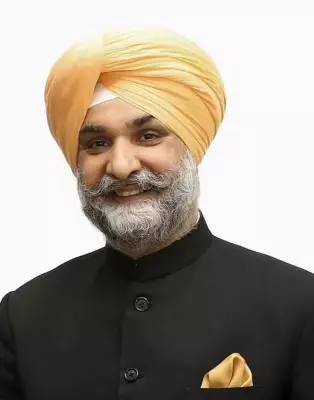
On Monday, January 12, 2026, Iran's Ambassador to India, Mohammad Fathali, took to the social media platform X to categorically refute claims about the detention of foreign nationals. The controversy began when a post on X alleged that "Iranian police have arrested a cell comprising 10 Afghan and 6 Indian nationals, along with their Iranian accomplices."
In a direct reply, Ambassador Fathali labeled the information as "totally false." He urged the public to rely on credible sources for news about developments in Iran. "The news circulated on some foreign X accounts about Iran's developments, is totally false. I request all interested people to get their news from the reliable sources," he wrote in his post, which was shared on January 11, 2026.

Context of Widespread Protests and Crackdown
The ambassador's statement was issued against the backdrop of significant civil unrest in Iran. The protests, which have entered their second week, have seen a severe response from authorities. According to the US-based Human Rights Activists News Agency, the toll has been severe:
- More than 10,600 people have been detained since the demonstrations began.
- At least 544 people have been killed in the unrest.
- Of the deceased, 490 were protesters and 48 were members of the security forces.
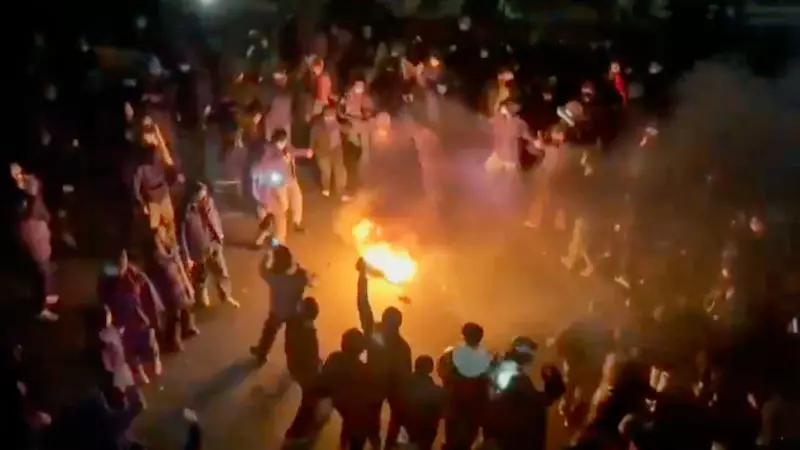
Visuals from Tehran, including footage circulating on social media, have shown protesters defying the crackdown, with scenes of people dancing and cheering around bonfires in the streets. The nation remains largely cut off from global internet access, complicating the verification of on-ground events.
Implications for India-Iran Relations and Diaspora Safety
The swift denial from the Iranian ambassador highlights the sensitivity of the issue concerning foreign nationals, particularly from a key partner like India. False reports of arrests can escalate diplomatic concerns and cause alarm within the Indian diaspora community.
The incident underscores the critical challenge of information verification during international crises, where social media can often amplify unconfirmed claims. Ambassador Fathali's direct intervention serves as an official channel attempting to counter misinformation and provide clarity.
For Indian citizens and observers following the events, the episode reinforces the importance of seeking news from established and reliable journalistic sources, especially when situations are volatile and facts are contested. The Iranian government's continued efforts to manage the narrative around the protests remain a focal point of international scrutiny.