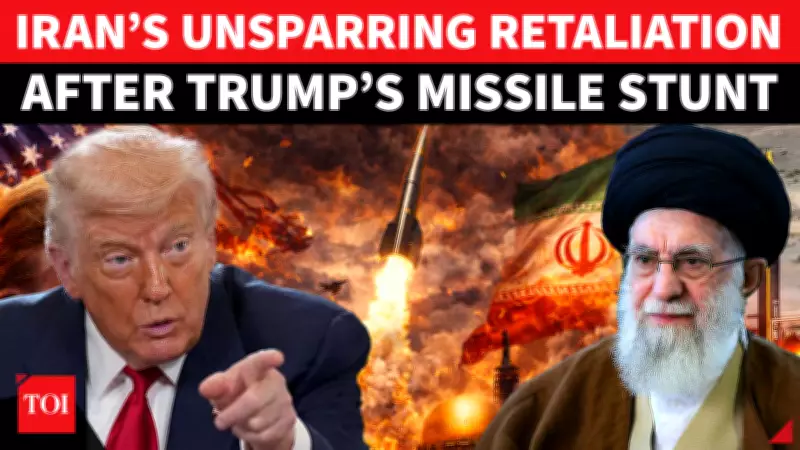
Iran Denounces Trump's Missile Claims as 'Professional Liars Creating Illusion'
In a sharp escalation of diplomatic rhetoric, Iran has issued a forceful rebuttal to accusations made by former U.S. President Donald Trump regarding its military capabilities. The exchange highlights the deepening tensions between the two nations over security and strategic issues.
Foreign Ministry Spokesperson's Strong Rejection
Foreign Ministry spokesperson Esmail Baghaei categorically denied Trump's claims that Iran is developing missiles capable of reaching the United States. Baghaei accused Washington of engaging in systematic disinformation campaigns, drawing parallels to historical propaganda strategies that rely on repeating "big lies" to manipulate public perception.
The spokesperson emphasized that such allegations are baseless and designed to create an illusion of threat where none exists. This strong language underscores Iran's position that the U.S. is fabricating narratives to justify hostile policies.

Comprehensive Denial of Multiple Allegations
Beyond the missile claims, Baghaei also rejected several other accusations that have been circulating in international discourse:
- Nuclear Programme: Iran maintains that its nuclear activities are peaceful and in compliance with international agreements.
- Ballistic Missiles: The spokesperson defended Iran's right to develop defensive missile systems as part of its national security strategy.
- January Unrest Casualties: Baghaei disputed reports about casualties during domestic unrest earlier this year, suggesting external interference in Iran's internal affairs.
Escalating Diplomatic Tensions
The latest exchange represents a significant intensification in the war of words between Tehran and Washington. Both sides have been trading accusations with increasing frequency, focusing on military capabilities and regional security concerns.
This rhetorical escalation comes amid broader geopolitical tensions that have characterized U.S.-Iran relations for decades. The specific focus on missile capabilities reflects ongoing debates about Iran's military modernization and its implications for regional stability.
Historical Context and Propaganda Accusations
Baghaei's reference to historical propaganda strategies suggests Iran views current U.S. allegations as part of a pattern of disinformation. By invoking the concept of "big lies," the spokesperson positions Iran as a victim of deliberate misinformation campaigns rather than an actual security threat.
This framing allows Tehran to challenge the credibility of U.S. intelligence assessments while presenting its own narrative about regional security dynamics. The exchange demonstrates how both nations are using information warfare as a tool in their ongoing diplomatic confrontation.
The situation remains fluid as both countries continue to exchange accusations while managing complex regional relationships. The intensity of the rhetoric suggests that diplomatic tensions are unlikely to ease in the near term, with both sides firmly entrenched in their respective positions regarding security and military capabilities.