Iran's Assembly of Experts Reaches Decision on Next Supreme Leader After Khamenei's Death
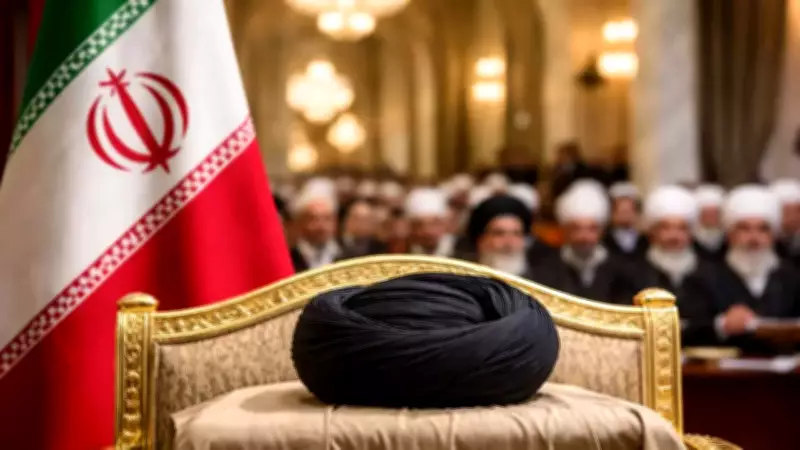
Iran's Assembly of Experts has reached a decision on the country's next supreme leader following the death of Ayatollah Ali Khamenei, although the name of the chosen candidate has not yet been announced, members of the body said on Sunday. This critical development marks a pivotal moment in Iran's political landscape as the nation navigates a sensitive transition period.
Consensus Reached on Most Suitable Candidate
"The most suitable candidate, approved by the majority of the Assembly of Experts, has been determined," stated Mohsen Heydari, a member of the selection body representing Khuzestan province, according to Iran's ISNA news agency. Another member of the body, Mohammad Mehdi Mirbagheri, confirmed that the clerical council had reached a consensus, noting in a video carried by Iran's Fars news agency that "a firm opinion reflecting the majority view has been reached."
The Assembly of Experts is the body responsible for appointing Iran's supreme leader, the country's highest authority who holds ultimate control over the military, judiciary, and key state institutions. This decision comes after the death of Iran's Supreme Leader Ayatollah Ali Khamenei, who was killed in joint United States and Israeli air strikes, triggering a major escalation in tensions across the Middle East.

Transition Amid Regional Tensions
The death of the 86-year-old leader has pushed Iran into a delicate transition period as the country prepares for only the second leadership change since the 1979 Islamic Revolution. US President Donald Trump announced Khamenei's death after the strikes, writing that "Khamenei, one of the most evil people in history, is dead," and calling the attack "justice for the people of Iran" and for Americans and others allegedly harmed by Tehran.
Iranian state television earlier reported that President Masoud Pezeshkian, judiciary chief Gholamhossein Mohseni Ejei, and another senior official would oversee the transitional period until a new supreme leader formally takes office. Under Iran's constitution, the 88-member Assembly of Experts is responsible for selecting the supreme leader. The body is made up of Shia clerics who are elected by the public every eight years, although candidates must first be approved by the Guardian Council, Iran's constitutional oversight body.
Constitutional Requirements and Temporary Leadership
Iranian law requires the Assembly of Experts to appoint a new supreme leader "as soon as possible" following the death of the incumbent. If the selection process takes longer, a temporary leadership council made up of senior officials can assume the duties of the supreme leader until a permanent successor is confirmed. This provision ensures continuity in governance during this critical juncture.
The current transition comes amid heightened regional tensions following the strikes on Iran that killed Khamenei and several senior officials. Iran has since launched missile attacks targeting Israel and US military bases in the Gulf, further complicating the geopolitical landscape. Khamenei had served as Iran's supreme leader since 1989, when he succeeded Grand Ayatollah Ruhollah Khomeini, the founder of the Islamic Republic who led the 1979 revolution and ruled the country until his death.
Historical Significance of the Succession
The transfer of power now underway will mark only the second succession in the office of supreme leader since the establishment of the Islamic Republic. This historical moment underscores the rarity and significance of such leadership changes in Iran's political system, which has been largely stable under Khamenei's long tenure. As the Assembly of Experts moves forward with the formal announcement, the international community watches closely, given the potential implications for Middle Eastern stability and global diplomacy.
In summary, while the identity of Iran's next supreme leader remains undisclosed, the Assembly of Experts has taken a decisive step in the selection process, setting the stage for a new chapter in the nation's history amid ongoing regional conflicts and internal political adjustments.