Iran's Foreign Minister Condemns US Military Actions in the Region
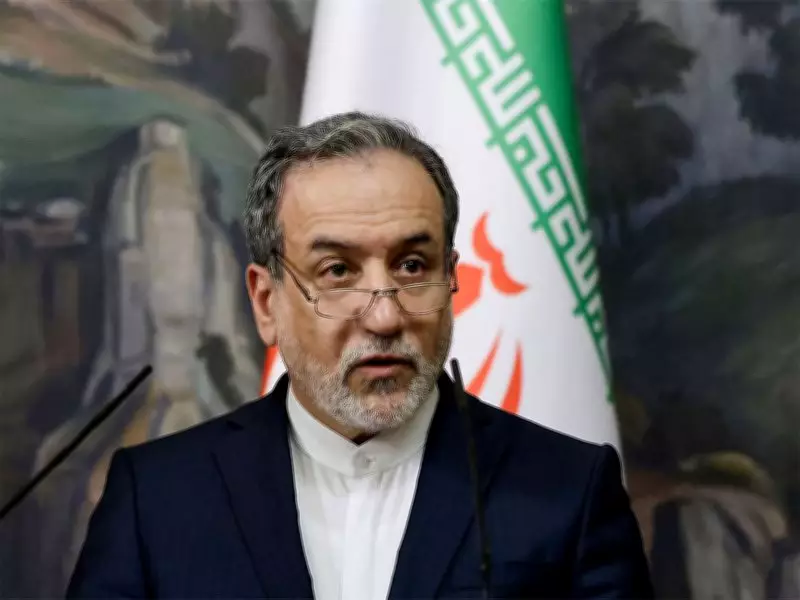
In a strongly worded statement, Iran's Foreign Minister Hossein Amir-Abdollahian has accused the United States of utilizing military bases located in the territories of Arab allies to carry out operations that target innocent civilians, including children, within Iran. The remarks highlight escalating diplomatic tensions in the Middle East, with Iran positioning itself against perceived American aggression.
Allegations of Civilian Targeting
Amir-Abdollahian specifically criticized what he described as "American aggressors" launching attacks from the lands of Iran's Arab neighbors. He emphasized that these actions are directed at non-combatants, particularly children, framing the US military activities as violations of international norms and humanitarian principles. The statement did not provide specific details about recent incidents but underscored Iran's stance on protecting its citizens from external threats.
Regional Diplomatic Implications
This accusation comes amid ongoing geopolitical strife in the region, where Iran and the US have long been at odds over issues such as nuclear agreements, regional influence, and security policies. By implicating Arab nations as facilitators of US operations, Iran's foreign minister is likely aiming to strain relations between those countries and the United States, while rallying domestic and regional support against perceived Western interference.

The broader context includes recent military engagements and diplomatic maneuvers that have seen increased activity in the Middle East. Iran's government has frequently condemned US presence and actions in the area, citing them as destabilizing factors that endanger peace and sovereignty.
International Reactions and Future Outlook
While the US has not immediately responded to these latest allegations, such statements often prompt diplomatic exchanges and could influence upcoming negotiations or conflicts. Observers note that Iran's rhetoric may be part of a strategy to bolster its position in regional disputes, potentially affecting alliances and security dynamics.
As tensions persist, the focus remains on how both nations and their allies will navigate these accusations, with implications for international relations, humanitarian concerns, and stability in the Middle East. The situation underscores the complex interplay of diplomacy, military strategy, and civilian welfare in global hotspots.