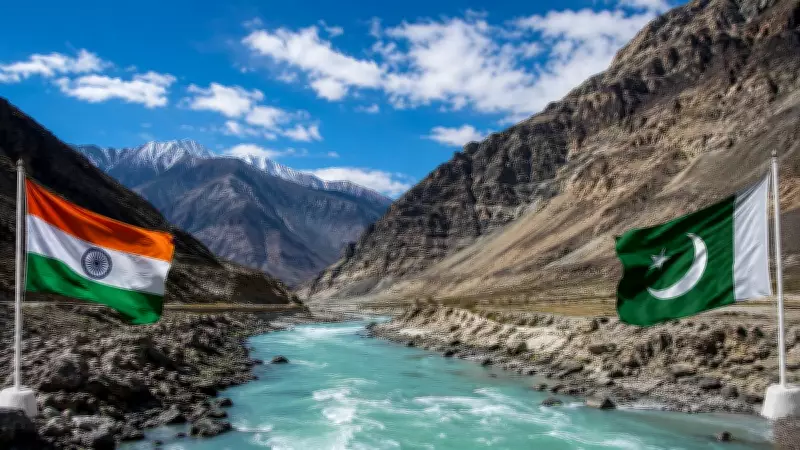
Origins of the Treaty and the Delhi Agreement
The regulation of water sharing between India and Pakistan began with the Inter-Dominion Agreement of 4 May 1948, known as the Delhi Agreement. This was the first formal arrangement to manage the waters of the Indus River system between the two newly independent nations. The agreement set the stage for the eventual signing of the Indus Waters Treaty in 1960, brokered by the World Bank.
The Three-Tier Dispute Resolution Mechanism
The Indus Waters Treaty establishes a structured, three-tier mechanism to resolve differences and disputes. The first tier involves bilateral negotiations between the two countries. If these fail, the matter escalates to the second tier: the appointment of a Neutral Expert. The third and final tier is a Court of Arbitration.
According to the treaty, a Neutral Expert is typically a hydrologist or engineer appointed by the World Bank to resolve technical questions. The Court of Arbitration is convened when disputes cannot be settled by the Neutral Expert, often dealing with broader legal or procedural issues.

Recent Disputes and Their Resolution
In recent years, disputes over the Kishenganga and Ratle hydroelectric projects have tested the mechanism. India and Pakistan have differed on whether these projects violate the treaty. India has favored the Neutral Expert process, while Pakistan has sought arbitration. The World Bank has attempted to facilitate a resolution, but the process remains politically sensitive.
Impact on Bilateral Relations
The Indus Waters Treaty is often cited as a rare example of successful water-sharing between hostile neighbors. Despite tensions, the treaty has survived multiple conflicts. The dispute settlement mechanism provides a legal framework that prevents unilateral action, ensuring both countries have recourse to international law.
Experts note that the treaty's resilience lies in its technical focus and the involvement of a neutral third party. However, delays in the resolution process have led to frustration on both sides.