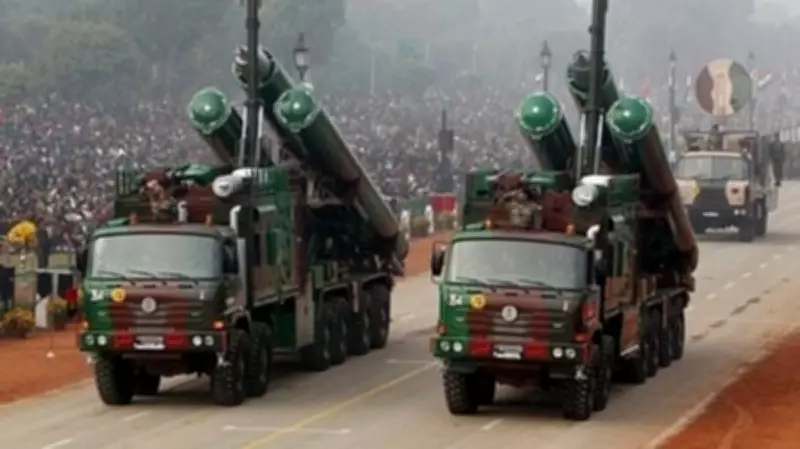
Indonesia Confirms Defense Agreement with India for BrahMos Missile Acquisition
The government of Indonesia has formally announced that it has entered into an agreement with India to procure BrahMos supersonic cruise missiles, marking a pivotal moment in the defense collaboration between the two Asian nations. This development follows earlier reports from 2023, where BrahMos Aerospace, a joint venture co-owned by the Indian and Russian governments, disclosed to Reuters that it was engaged in advanced discussions with Jakarta regarding this significant defense contract.
Details of the BrahMos Missile Deal
The agreement, which has been in the works for several years, is valued at an estimated $200 million to $350 million, as previously indicated by sources within BrahMos Aerospace. This procurement represents a strategic move by Indonesia to enhance its maritime and coastal defense capabilities, leveraging the advanced technology of the BrahMos missile system, known for its supersonic speed and precision targeting.
The BrahMos missile, developed jointly by India and Russia, is renowned as one of the world's fastest cruise missiles, capable of being launched from land, sea, and air platforms. Its acquisition by Indonesia underscores the growing defense ties between New Delhi and Jakarta, as both countries seek to bolster their security frameworks in the Indo-Pacific region.

Background and Strategic Implications
In 2023, BrahMos Aerospace confirmed to Reuters that negotiations with Indonesia had reached an advanced stage, highlighting the potential for a multi-million dollar deal. The confirmation from Indonesia now solidifies these discussions into a formal agreement, reflecting the culmination of diplomatic and defense engagements between the two nations.
This deal is expected to not only strengthen Indonesia's military arsenal but also foster deeper bilateral relations, with potential implications for regional security dynamics. It aligns with India's broader strategy of expanding defense exports and partnerships under initiatives like 'Make in India', while Indonesia aims to modernize its defense forces amid evolving geopolitical challenges.
The procurement process involves:
- Finalizing technical specifications and delivery timelines.
- Ensuring compliance with international defense trade regulations.
- Facilitating training and support for Indonesian personnel.
As both countries move forward with this agreement, it sets a precedent for future defense collaborations in the region, potentially encouraging other nations to explore similar partnerships with India for advanced weaponry systems.