Indo-Pacific Region Grapples with Strategic Ripples from Global Wars
The Indo-Pacific, a critical geopolitical arena, is currently feeling profound ripples from ongoing global conflicts, leading to strategic recalibrations and economic uncertainties. Nations across this vast region are navigating complex challenges as wars elsewhere disrupt established norms and alliances.
Economic and Trade Disruptions Intensify
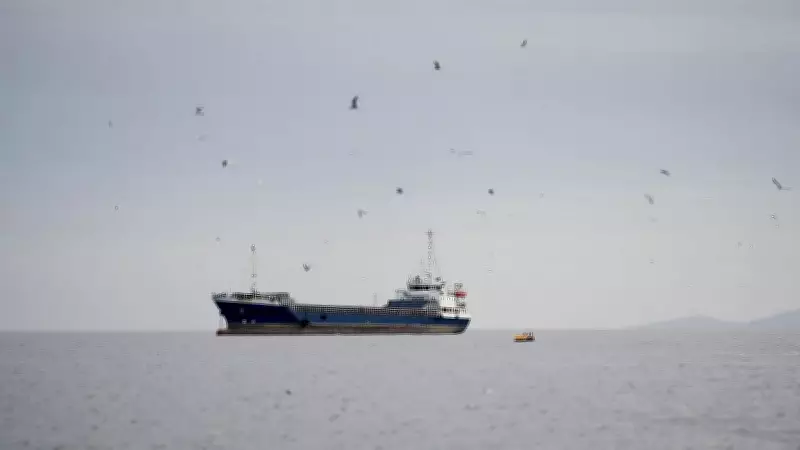
Trade flows in the Indo-Pacific have been severely impacted, with supply chain vulnerabilities exposed by conflicts. Key maritime routes, essential for global commerce, face heightened risks, prompting countries to reassess their economic dependencies and resilience strategies.
Security Dynamics Undergo Rapid Transformation
Security paradigms in the region are shifting rapidly. Nations are bolstering their defense postures and forming new partnerships to counter emerging threats. The traditional balance of power is being tested, with increased military activities and strategic maneuvers observed.

Diplomatic Relations Face New Pressures
Diplomatic engagements among Indo-Pacific countries are under strain as they respond to external conflicts. Alliances are being reevaluated, with some nations seeking to strengthen ties while others adopt more cautious stances to maintain regional stability.
Long-Term Implications for Regional Stability
The long-term implications of these ripples are significant, potentially altering the Indo-Pacific's strategic landscape for years to come. Experts warn that without coordinated efforts, the region could see increased tensions and instability.
In summary, the Indo-Pacific is at a crossroads, with global conflicts driving unprecedented changes in its economic, security, and diplomatic spheres. Stakeholders must navigate these turbulent waters carefully to ensure sustainable peace and prosperity.