‘Jointness To Theatre Commands Is Not Simple’: Lt Gen PJS Pannu On India’s Military Reforms
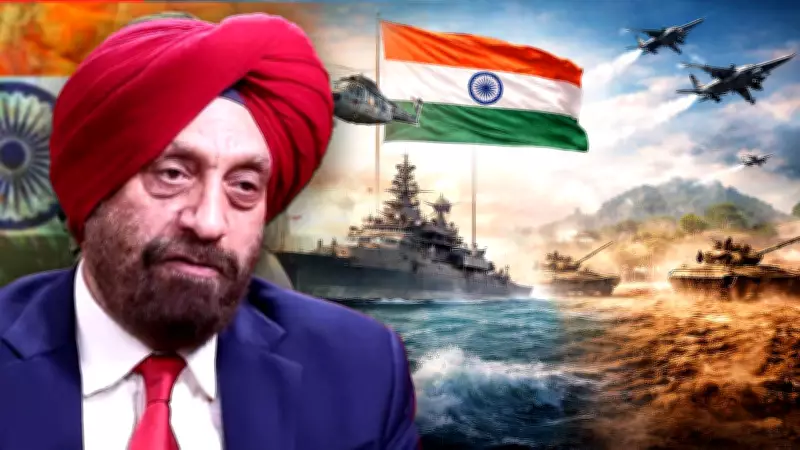
Lieutenant General PJS Pannu has offered a detailed, ground-level perspective on India's ongoing transition toward establishing theatre commands, emphasizing that while the concept appears appealing in theoretical frameworks, its practical execution is far more complex and challenging. The senior military officer explained that moving from jointness to full theatreisation requires a profound structural shift within the armed forces, involving intricate coordination and command adjustments.
Evolution of Jointness Since the Kargil War
Lt Gen Pannu outlined how the integration of the Army, Navy, and Air Force, along with emerging domains like cyber and space, has evolved significantly since the Kargil War. He highlighted the creation of the Integrated Defence Staff (IDS) as a pivotal step in fostering jointness among the services. This integration was designed to enhance operational efficiency and coordination, laying a foundational framework for more advanced military structures.
However, the transition to theatre commands represents a deeper and more comprehensive transformation. Theatre commands involve establishing a single commander who controls all military resources—including personnel, equipment, and strategic assets—within a defined operational theatre. This shift aims to streamline decision-making and improve responsiveness in conflict scenarios, but it introduces numerous logistical and organizational hurdles.

Challenges in Implementing Theatre Commands
The complexity of implementing theatre commands stems from several factors:
- Structural Integration: Merging the distinct operational cultures and hierarchies of the Army, Navy, and Air Force into unified commands requires careful planning and adaptation.
- Resource Allocation: Ensuring equitable distribution and control of resources across different theatres without disrupting existing operations is a significant challenge.
- Command and Control: Establishing clear lines of authority and communication under a single theatre commander involves redefining traditional military protocols.
- Technological Synchronization: Integrating cyber and space domains with conventional forces adds another layer of complexity to the theatre command structure.
Lt Gen Pannu stressed that while jointness has been a stepping stone, achieving full theatreisation demands overcoming these multifaceted obstacles. The process is not merely about organizational changes but also about fostering a cohesive strategic vision across all branches of the military.
Strategic Implications and Future Outlook
The move towards theatre commands is seen as a critical component of India's broader military modernization efforts. By enhancing joint operational capabilities, India aims to bolster its defence preparedness and address evolving security threats more effectively. Lt Gen Pannu's insights underscore the importance of a phased and well-considered approach to avoid disruptions and ensure a smooth transition.
As India continues to navigate these reforms, the experiences and lessons from initial implementations will be crucial in shaping the future of its defence architecture. The journey from jointness to theatre commands, while fraught with challenges, holds the potential to significantly strengthen India's military prowess on the global stage.