India's Strategic Diplomacy in a Multipolar World
In the rapidly evolving landscape of global politics, India has emerged as a pivotal player, skillfully balancing its relationships with major powers such as the United States, Russia, and China. This strategic diplomacy is crucial as the world transitions towards a more multipolar order, where traditional alliances are being redefined and new partnerships are forming. India's approach reflects a nuanced understanding of its national interests, economic priorities, and security concerns, positioning it as a key actor in shaping international norms and stability.
Navigating Complex Global Alliances
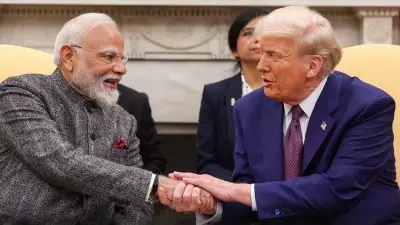
India's diplomatic strategy is characterized by a pragmatic and flexible stance, allowing it to engage with diverse nations without being overly reliant on any single bloc. With the United States, India has strengthened ties through defense agreements and technology collaborations, while maintaining its historical relationship with Russia, particularly in energy and military sectors. Simultaneously, India manages its complex rivalry with China through a mix of competition and cooperation, addressing border disputes while participating in multilateral forums like BRICS and the Shanghai Cooperation Organization.
Economic and Security Imperatives drive much of India's foreign policy decisions. As one of the fastest-growing major economies, India seeks to attract foreign investment and expand trade, which necessitates stable relations with global partners. On the security front, India faces challenges from regional tensions and terrorism, prompting it to forge alliances that enhance its defense capabilities and intelligence-sharing networks. This dual focus ensures that India's diplomacy is not just reactive but proactive in safeguarding its sovereignty and promoting growth.

The Role of Soft Power and Cultural Diplomacy
Beyond hard power and economic ties, India leverages its rich cultural heritage and soft power to build goodwill and influence internationally. Initiatives like yoga diplomacy, Bollywood exports, and educational exchanges help project a positive image of India, fostering people-to-people connections that complement official statecraft. This cultural outreach is particularly effective in regions like Africa and Southeast Asia, where India's historical and cultural links provide a foundation for deeper engagement.
Challenges and Opportunities Ahead: As geopolitical shifts accelerate, India must continue to adapt its diplomatic strategies. Issues such as climate change, digital governance, and global health crises require collaborative solutions, offering India opportunities to lead in areas like renewable energy and technology innovation. However, navigating the competing interests of major powers will remain a delicate task, demanding astute leadership and a clear vision for India's role on the world stage.
In conclusion, India's strategic diplomacy is a testament to its growing influence in a multipolar world. By balancing alliances and prioritizing national interests, India not only secures its position but also contributes to global stability and cooperation. As the international order continues to evolve, India's diplomatic agility will be crucial in shaping a more equitable and peaceful world.