The Ministry of External Affairs (MEA) has publicly addressed and defended India's engagement with professional lobbying and public relations firms in the United States. The ministry described this as a standard global practice employed to effectively communicate India's perspectives and strengthen its international outreach.
Clarification on FARA Filings and Diplomatic Strategy
This clarification from the Indian government comes in the wake of recent filings made under the US Foreign Agents Registration Act (FARA). These legal documents revealed that India has contracted several firms to represent its interests in Washington. The MEA emphasized that such engagements are a routine part of modern diplomacy for nations worldwide.
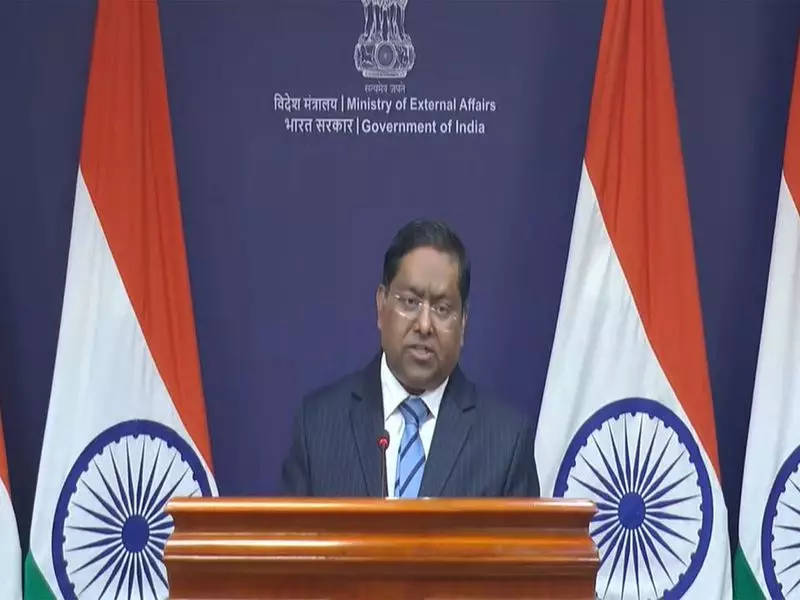
Arindam Bagchi, the official spokesperson for the MEA, stated that the primary objective is to ensure a wide and accurate dissemination of India's views on critical issues to a broad audience within the United States. This includes policymakers, think tanks, academics, and the media. The ministry's position is that these firms provide essential services in navigating the complex informational landscape, helping to present India's policies and positions clearly.

A Common Tool in International Relations
The MEA pointed out that utilizing specialized firms for advocacy and communication is neither unusual nor unique to India. It is a widely adopted tool by many countries seeking to enhance their diplomatic and strategic messaging in foreign capitals, particularly in a significant partner nation like the United States. The filings under FARA are a procedural transparency requirement of US law, not an indication of any extraordinary activity.
These firms are typically tasked with a range of services. Their work often includes organizing briefings, facilitating meetings with key stakeholders, managing media relations, and providing analysis of the local political environment. For India, this forms a part of a broader, multi-pronged strategy to foster a deeper understanding of its foreign policy objectives and developmental narrative.
Transparency and Strategic Communication
By acknowledging and explaining these contracts, the MEA aims to frame them as a transparent and strategic component of its external communications. The underlying message is that in a competitive global arena for influence and perception, professional assistance in advocacy is both legitimate and necessary. The ministry's statement seeks to normalize the practice, distancing it from any potential connotations of undue influence.
The response underscores the importance the Indian government places on its relationship with the United States across various domains—strategic, economic, and political. Effective communication is viewed as vital to nurturing this partnership and ensuring that India's voice is heard accurately amidst a crowded international discourse.
This move also reflects a pragmatic approach to diplomacy, where traditional diplomatic channels are supplemented by expert local partners to achieve comprehensive outreach goals. The MEA's defense indicates a commitment to employing all standard diplomatic tools available to advance national interests on the world stage.