India Intensifies Diplomatic Outreach to Gulf Nations Amid Regional Ceasefire
In a significant diplomatic maneuver, India has ramped up its engagement with key Gulf nations during the ongoing two-week ceasefire in the region. This strategic push involves high-level visits by two senior ministers, underscoring New Delhi's commitment to bolstering ties and addressing critical issues in the Middle East.
Jaishankar's UAE Visit to Strengthen Strategic Partnership
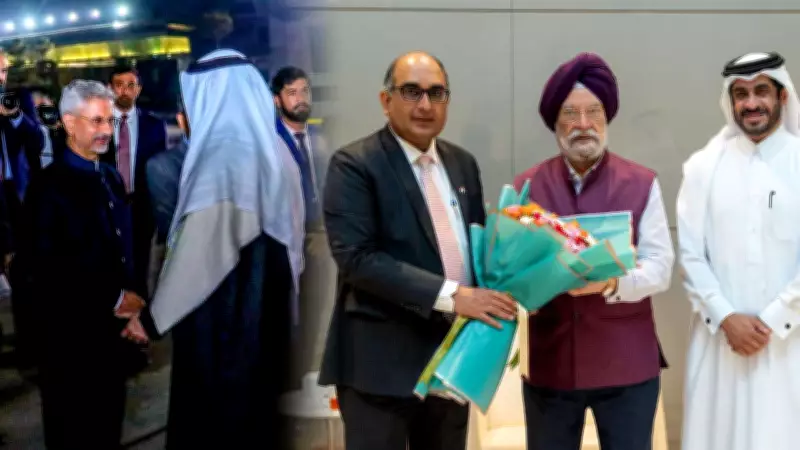
External Affairs Minister Dr. S. Jaishankar is scheduled to visit the United Arab Emirates on April 11–12, 2026. During his trip, he will hold meetings with top UAE leaders to reinforce the comprehensive strategic partnership between the two nations. The discussions are expected to cover a wide range of bilateral and regional topics, with a focus on enhancing cooperation in trade, security, and cultural exchanges.
This visit comes at a crucial time, as both countries seek to navigate the evolving geopolitical landscape following the US-Iran truce. India and the UAE share deep economic and people-to-people ties, making this engagement vital for mutual interests and regional stability.

Puri's Qatar Mission to Address Energy Supply Concerns
Simultaneously, Union Minister for Petroleum and Natural Gas, Hardeep Singh Puri, is embarking on a visit to Qatar on April 9–10, 2026. His primary objective is to discuss energy supply issues that have emerged due to the conflict involving Iran. Qatar, a major global supplier of liquefied natural gas (LNG), plays a pivotal role in India's energy security strategy.
The timing of Puri's trip is particularly strategic, as India aims to secure stable energy imports amidst regional uncertainties. Discussions will likely focus on long-term supply agreements, pricing mechanisms, and collaborative ventures in the energy sector to ensure India's growing energy demands are met without disruption.
Broader Engagement with GCC Countries
The Ministry of External Affairs, through its official spokesperson Randhir Jaiswal, has confirmed that India is actively engaging with other Gulf Cooperation Council (GCC) countries as well. This broader outreach aims to enhance multilateral cooperation and promote regional stability in the wake of the ceasefire.
Key aspects of this engagement include:
- Strengthening economic partnerships through trade and investment initiatives.
- Collaborating on security matters to combat common threats.
- Fostering cultural and educational exchanges to deepen people-to-people connections.
- Addressing shared challenges such as climate change and sustainable development.
India's proactive diplomacy in the Gulf region reflects its growing role as a key player in international affairs, balancing energy needs with strategic alliances to safeguard national interests and contribute to global peace efforts.