

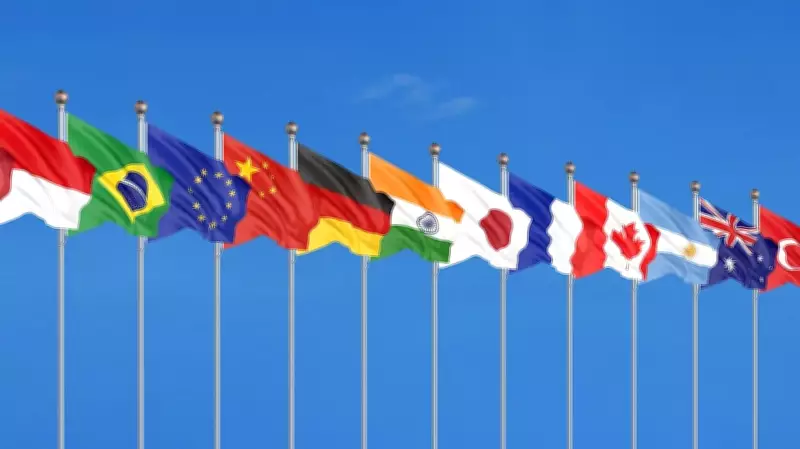
India's Diplomatic Paradox: Friends Everywhere, Leverage Nowhere
In the complex arena of global politics, India stands out as a nation with an extensive network of friendships spanning continents. From longstanding ties with Russia to deepening partnerships with the United States, and robust engagements in Africa, Asia, and Europe, India's diplomatic outreach is broad and multifaceted. However, a critical analysis reveals a persistent challenge: this vast reservoir of goodwill has not consistently translated into significant strategic leverage on key international issues.
The Store of Goodwill: A Double-Edged Sword
India has meticulously built a store of goodwill over decades, driven by its non-aligned history, economic growth, and cultural diplomacy. This effort has positioned the country as a trusted partner in various forums, such as the United Nations, G20, and BRICS. Yet, as global tensions rise—be it in trade disputes, security alliances, or climate negotiations—India often finds itself unable to wield this goodwill to secure decisive advantages. The strategic-autonomy check, long touted as a cornerstone of Indian foreign policy, now faces a crucial test: is it time to cash it in, and if so, will the accumulated goodwill prove adequate?
Experts point to several factors limiting India's leverage. First, the country's economic and military capabilities, while growing, still lag behind major powers like the U.S. and China, constraining its ability to project influence. Second, India's cautious approach to alliances and conflicts sometimes leads to perceived indecisiveness, reducing its bargaining power. Third, internal challenges, such as bureaucratic hurdles and domestic political priorities, can dilute foreign policy effectiveness.

Case Studies: Where Goodwill Falls Short
Recent events highlight this leverage gap. In multilateral trade negotiations, India's friends have often prioritized their own interests over shared goals, leaving New Delhi with limited sway. Similarly, in security matters, such as border disputes or terrorism, India's diplomatic friendships have not always translated into concrete support or pressure on adversaries. This pattern suggests that goodwill alone is insufficient without the hard power—economic, military, and technological—to back it up.
Moreover, the global landscape is becoming increasingly polarized, with nations forming tighter blocs. India's strategy of maintaining equidistance and leveraging multiple relationships risks leaving it isolated in critical moments. As one analyst notes, "Friendship is valuable, but in geopolitics, leverage is currency. India needs to invest more in converting its soft power into hard outcomes."
Pathways to Enhanced Leverage
To address this, India could consider several steps:
- Strengthen Economic Partnerships: Deepen trade and investment ties to create mutual dependencies that enhance bargaining power.
- Boost Defense Capabilities: Invest in military modernization and technology to project strength and deterrence.
- Leverage Diaspora and Culture: Use India's global diaspora and cultural influence as tools for soft power that can translate into political gains.
- Focus on Issue-Based Alliances: Instead of broad friendships, build targeted coalitions on specific issues like climate change or digital governance.
In conclusion, while India's widespread friendships are a significant asset, the country must urgently reassess how to convert this goodwill into tangible strategic leverage. The store of goodwill might be inadequate if not coupled with proactive measures to enhance influence. As global dynamics evolve, India's ability to cash in its strategic-autonomy check will depend on balancing diplomacy with decisive action and power projection.






