India's Diplomatic Engagement Intensifies Amid Evolving Global Peace Landscape
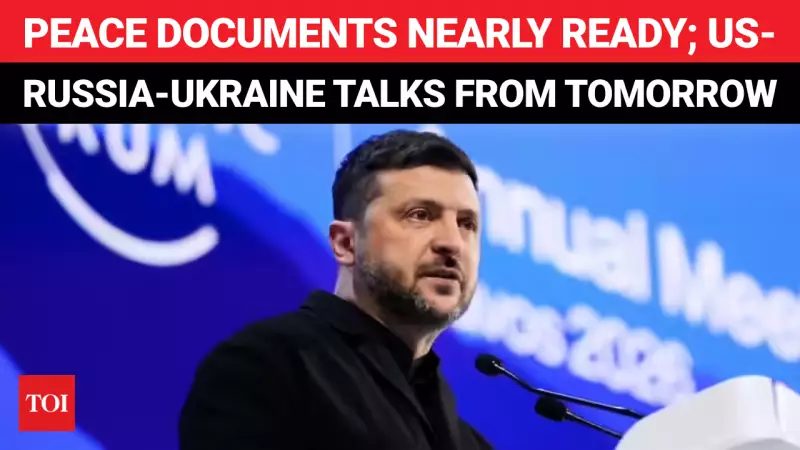
In a significant development on the international diplomatic front, India has been notably absent from the board overseeing the ongoing peace talks between the United States, Russia, and Ukraine. This exclusion comes at a critical juncture as global powers navigate complex negotiations aimed at resolving the protracted conflict in Eastern Europe. The situation has prompted swift diplomatic maneuvers from New Delhi, with the External Affairs Minister (EAM) recently holding crucial meetings with European Union envoys to address India's position and potential contributions to regional stability.
India's Exclusion from Peace Talk Framework Raises Questions
The peace negotiations between the United States, Russia, and Ukraine represent one of the most significant diplomatic efforts to address the ongoing crisis. However, India's absence from the formal board overseeing these talks has generated considerable discussion among international observers. This development is particularly noteworthy given India's growing geopolitical influence and its historical role as a neutral mediator in global conflicts. The exclusion may reflect shifting alliances and negotiation dynamics, potentially impacting how emerging powers like India engage with traditional Western-led diplomatic frameworks.
External Affairs Minister's Strategic Meetings with EU Representatives
In response to these developments, India's External Affairs Minister has engaged in a series of high-level discussions with envoys from the European Union. These meetings, held in New Delhi, focused on multiple critical aspects of international diplomacy:

- Regional Stability Concerns: Discussions emphasized the importance of maintaining peace and security in conflict-affected regions, with particular attention to humanitarian considerations.
- India's Diplomatic Priorities: The EAM articulated India's commitment to peaceful resolution of conflicts through dialogue and multilateral cooperation.
- Bilateral Cooperation: Conversations explored avenues for enhanced India-EU collaboration on global security matters beyond the immediate peace talk framework.
- Future Engagement Pathways: Both parties discussed potential mechanisms for India's constructive involvement in international peace processes, even outside formal board structures.
Analyzing the Implications for India's Foreign Policy
This diplomatic activity occurs against the backdrop of India's carefully calibrated foreign policy approach, which balances relationships with multiple global powers. The exclusion from the peace talk board, while potentially limiting immediate influence, may also provide India with greater flexibility to pursue independent diplomatic initiatives. The meetings with EU envoys demonstrate India's proactive efforts to maintain open channels of communication and ensure its perspectives are considered in international decision-making forums.
Experts suggest that India's response reflects a sophisticated understanding of contemporary geopolitics, where formal institutional participation is just one aspect of diplomatic influence. By engaging directly with key European partners, India positions itself as an important stakeholder in discussions about global stability, regardless of its specific role in particular negotiation frameworks.
The Broader Context of Global Peace Negotiations
The US-Russia-Ukraine peace talks represent a complex diplomatic challenge with implications extending far beyond the immediate conflict zone. As major powers negotiate terms, the involvement or exclusion of other significant nations like India can signal broader shifts in international alliance structures and negotiation approaches. India's simultaneous engagement with EU representatives suggests a multifaceted diplomatic strategy that acknowledges both the limitations and opportunities presented by the current geopolitical landscape.
This development highlights the evolving nature of global diplomacy, where traditional power structures are increasingly complemented by bilateral and regional engagements that may ultimately contribute to conflict resolution through alternative pathways.