Davos 2026: India's Performance vs. Power Perception Gap in Global Forums
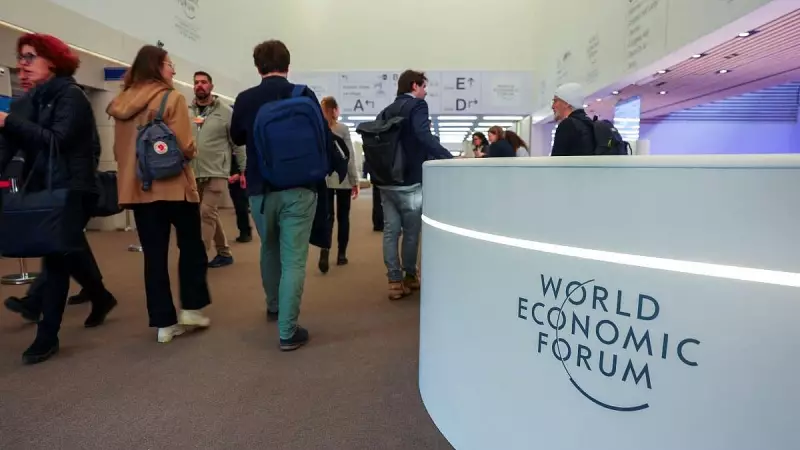
The World Economic Forum's annual meeting in Davos has long been a stage for global economic dialogue, and in 2026, India's participation has sparked a critical examination of its approach. State governments across the country have been actively announcing Memorandums of Understanding (MoUs) with Indian companies, many of which hail from their own states. This trend raises questions about whether India is mistaking mere performance for genuine power on the international platform.
The Ceremonial Nature of MoU Announcements
Observers note that these announcements often resemble a distant cousin's wedding, where attendance is seen as a mandatory gesture to prove relevance rather than a strategic move. The focus on signing agreements with domestic firms, rather than forging impactful international partnerships, suggests a prioritization of optics over substantive engagement. This approach may undermine India's potential to leverage Davos as a tool for real economic influence and global leadership.
Implications for India's Global Economic Diplomacy
By emphasizing state-level MoUs with local companies, India risks projecting an image of insularity rather than openness to global collaboration. In a forum designed for cross-border economic discussions, such moves could be perceived as missing the opportunity to attract foreign investment or build alliances that transcend national boundaries. The performance-oriented mindset may lead to short-term visibility but could detract from long-term strategic gains in areas like trade, innovation, and geopolitical clout.

- State governments' focus on MoUs with Indian companies highlights a potential disconnect between domestic achievements and global power aspirations.
- The comparison to a wedding appearance underscores the ceremonial, rather than transformative, nature of these engagements at Davos.
- This trend may reflect broader challenges in India's economic diplomacy, where performance metrics overshadow deeper influence-building.
As India continues to navigate global forums like Davos, balancing performance with genuine power will be crucial. Moving beyond symbolic announcements to foster meaningful international partnerships could enhance its standing and drive sustainable economic growth on the world stage.