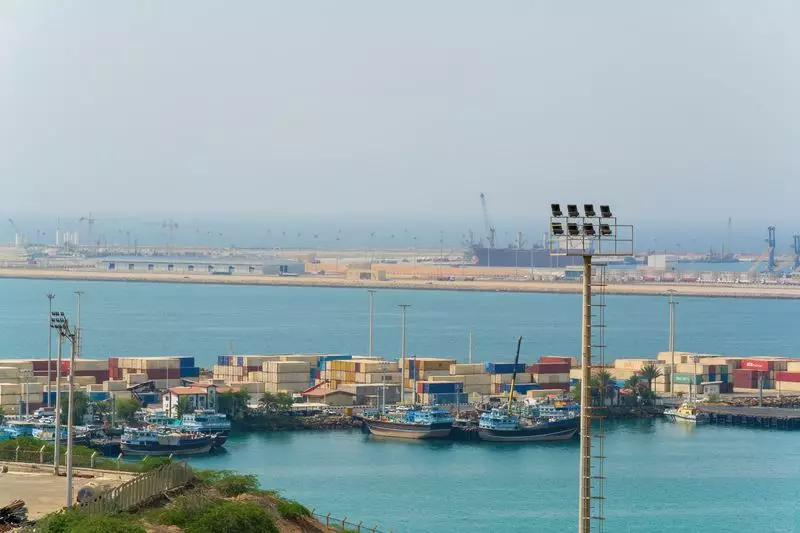
India's Strategic Test at Chabahar Port Amid US Sanctions
In a bold move that underscores its growing geopolitical assertiveness, India has recently conducted a significant test at the Chabahar port in Iran, navigating the complex landscape of US sanctions. This development marks a critical juncture in India's foreign policy, as it seeks to balance its strategic interests with international pressures. The Chabahar port, located on Iran's southeastern coast, serves as a vital gateway for India to access Afghanistan and Central Asia, bypassing Pakistan and enhancing regional trade routes.
Navigating Geopolitical Tensions
The test at Chabahar comes at a time when the United States has imposed stringent sanctions on Iran, targeting its economy and international engagements. India's decision to proceed with this initiative reflects its commitment to strategic autonomy, a cornerstone of its foreign policy. By engaging with Iran despite US objections, India is asserting its right to pursue national interests, particularly in fostering connectivity and economic partnerships in the region. This move is not without risks, as it could strain India-US relations, but it highlights India's willingness to chart an independent course in global affairs.
Boosting Regional Connectivity and Trade
The Chabahar port is pivotal for India's broader vision of enhancing regional connectivity, as outlined in initiatives like the International North-South Transport Corridor (INSTC). This port facilitates trade with landlocked Afghanistan, providing an alternative route that reduces dependency on Pakistan. The recent test aims to operationalize and optimize port facilities, enabling smoother cargo movements and bolstering India's trade ties with Central Asian nations. Key benefits include:

- Enhanced Access to Afghanistan: By using Chabahar, India can directly supply goods to Afghanistan, supporting reconstruction efforts and strengthening bilateral ties.
- Trade Expansion in Central Asia: The port opens up new markets for Indian exports, fostering economic growth and regional integration.
- Strategic Counterbalance: It serves as a counter to China's Belt and Road Initiative, particularly the Gwadar port in Pakistan, positioning India as a key player in Eurasian connectivity.
Implications for India-US Relations
India's test at Chabahar port amid US sanctions poses a delicate challenge to its relationship with the United States. While both nations share strategic interests in countering China and promoting stability in South Asia, this move could lead to diplomatic friction. However, India has likely calculated that its actions align with broader US goals in Afghanistan, such as supporting economic development and reducing regional instability. By emphasizing the humanitarian and economic aspects of the Chabahar project, India may seek to mitigate US concerns and frame its engagement as a contribution to regional peace.
Future Prospects and Challenges
Looking ahead, the success of India's Chabahar initiative will depend on several factors, including the evolution of US-Iran relations and India's ability to navigate sanctions. Potential challenges include:
- Sanctions Compliance: India must ensure that its activities at Chabahar do not violate US sanctions, possibly by focusing on non-sanctioned sectors or seeking waivers.
- Infrastructure Development: Continued investment in port infrastructure is crucial to handle increased trade volumes and compete with regional rivals.
- Diplomatic Balancing: India will need to maintain a delicate balance between its partnerships with the US, Iran, and other stakeholders in the region.
In conclusion, India's test at the Chabahar port amid US sanctions is a testament to its strategic resolve and regional ambitions. By prioritizing connectivity and trade, India is not only enhancing its economic prospects but also asserting its role as a key actor in global geopolitics. This move underscores the complexities of modern international relations, where nations must often navigate conflicting interests to achieve their goals.