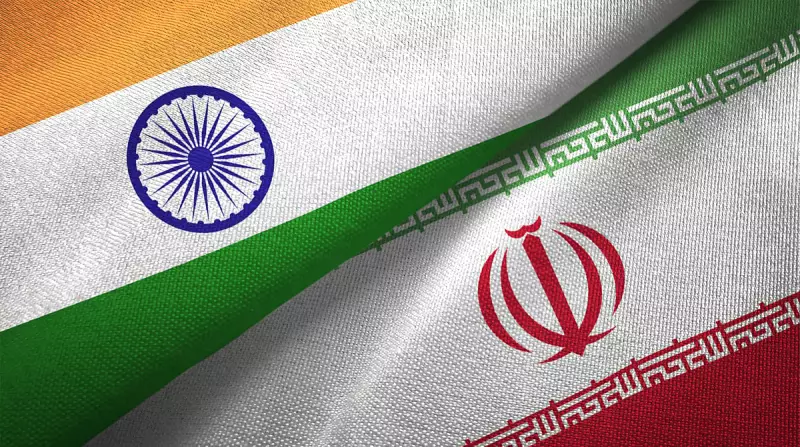
Iran is currently experiencing significant internal unrest, creating ripples across the international community. For India, this situation demands careful attention and strategic caution. New Delhi's primary focus must be on protecting its vital national interests in the region.
The Critical Importance of Chabahar Port
At the heart of India's concerns lies the Chabahar Port. This strategic asset serves as a crucial gateway for Indian trade and connectivity with Central Asia. It bypasses Pakistan, offering an alternative route that enhances India's economic and geopolitical influence.
Any instability in Iran directly threatens the operations and security of this port. India has invested substantial resources and diplomatic capital into developing Chabahar. Ensuring its continued functionality is now more important than ever.

De-risking as a Strategic Imperative
De-risking involves taking proactive measures to minimize potential threats to critical assets. For India, this means several key actions:
- Enhancing security protocols around Chabahar Port and related infrastructure.
- Diversifying partnerships in the region to reduce over-reliance on any single nation.
- Monitoring developments closely to anticipate and respond to emerging challenges.
- Engaging diplomatically with all relevant stakeholders to maintain stability.
These steps are not merely precautionary. They represent essential safeguards for India's long-term strategic positioning. The current unrest in Iran serves as a stark reminder of how quickly regional dynamics can shift.
Broader Implications for Indian Foreign Policy
India's response to Iran's situation reflects broader principles of its foreign policy. The country consistently emphasizes stability, economic development, and strategic autonomy. Balancing relations with various Middle Eastern powers requires nuanced diplomacy.
New Delhi must navigate complex relationships with Iran, Saudi Arabia, Israel, and other regional actors. Each of these relationships carries its own significance for India's energy security, trade routes, and counter-terrorism efforts.
The current challenge underscores why India maintains a cautious, pragmatic approach to international affairs. Quick reactions or alignment with any single bloc could jeopardize carefully cultivated partnerships across the region.
Looking Ahead: India's Path Forward
Moving forward, India should continue its balanced diplomatic engagement while strengthening its strategic assets. The Chabahar Port remains a cornerstone of India's connectivity ambitions under initiatives like the International North-South Transport Corridor.
Investing in additional security measures and contingency planning for Chabahar makes practical sense. Simultaneously, India should explore complementary routes and partnerships that provide alternatives if needed.
The ultimate goal is clear: protect national interests while contributing to regional stability. India's measured response to Iran's unrest demonstrates this commitment to responsible statecraft in uncertain times.