

India's Critical Crossroads in Global Diplomacy
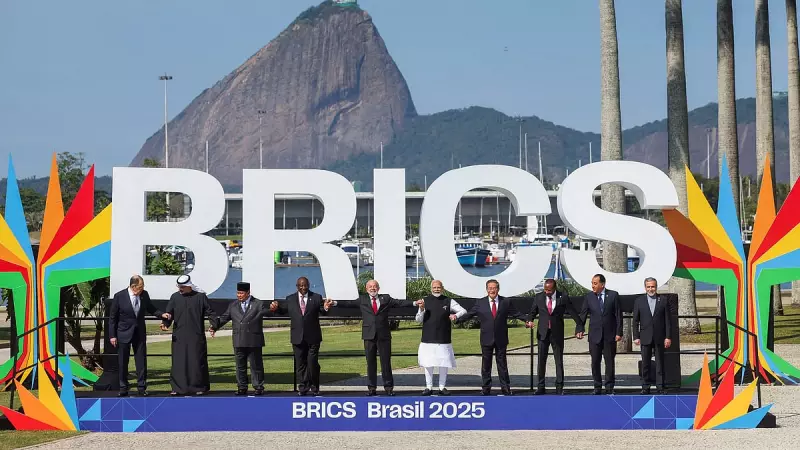
India stands at a significant diplomatic crossroads as it contemplates whether to accept the rotating presidency of the BRICS grouping amid growing challenges to multilateral cooperation worldwide. The decision, analyzed by veteran journalist K P Nayar, presents New Delhi with a classic dilemma between international prestige and practical considerations.
The Burden of BRICS Leadership
According to Nayar's assessment published on November 21, 2025, the BRICS presidency represents what he metaphorically describes as "a crown of thorns" rather than an honor to be eagerly pursued. The analysis suggests that with traditional multilateral frameworks facing unprecedented strain, India must carefully weigh the costs and benefits of assuming leadership responsibilities within the bloc.
The expert opinion emphasizes that global power dynamics have shifted substantially since BRICS最初 formation, creating new complexities for member nations. India's foreign policy establishment must navigate these turbulent waters while protecting national interests and maintaining strategic autonomy.

Pragmatism Versus Prestige in Foreign Policy
Nayar's central argument champions pragmatism over prestige in India's approach to international forums. The analysis contends that in the current global landscape, where multilateral institutions face significant headwinds, symbolic leadership positions may offer diminishing returns compared to substantive diplomatic achievements.
The commentary highlights how India's growing global stature requires careful calibration of international commitments. Rather than automatically accepting rotational leadership roles, New Delhi should evaluate each opportunity based on strategic value and resource allocation considerations.
Key factors in this evaluation include:
- The evolving geopolitical landscape and its impact on BRICS relevance
- Resource demands of presidency responsibilities versus potential benefits
- Alternative diplomatic channels for advancing Indian interests
- The changing nature of global multilateral cooperation
Broader Implications for Indian Diplomacy
This perspective on BRICS leadership reflects larger debates within Indian foreign policy circles about how to maximize the nation's influence in a rapidly changing international order. The analysis suggests that India's diplomatic approach should prioritize substantive outcomes over ceremonial positions.
As multilateralism faces what Nayar describes as being "in retreat" globally, India must develop more nuanced strategies for engaging with international institutions. This might involve selective participation based on clear national interest calculations rather than automatic acceptance of traditional diplomatic responsibilities.
The November 2025 analysis concludes that India's foreign policy success will depend on its ability to distinguish between genuine opportunities for advancing national interests and symbolic positions that may drain diplomatic resources without corresponding benefits.






