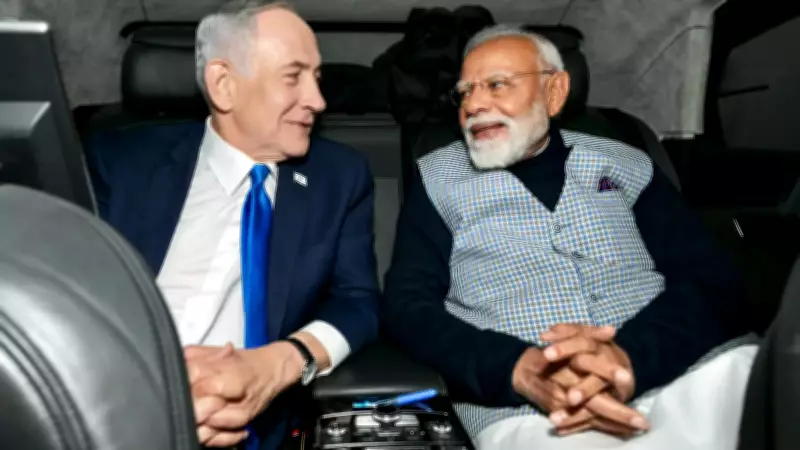
India's 'Bibi Bridge': A Historic Shift in Foreign Policy
In a landmark move that signals a profound transformation in its international stance, India has decisively ended 75 years of diplomatic hesitation towards Israel, a shift epitomized by the strengthening of ties often referred to as the 'Bibi Bridge.' This term, derived from the close rapport between Indian Prime Minister Narendra Modi and Israeli Prime Minister Benjamin Netanyahu, underscores a strategic pivot that is reshaping geopolitical dynamics in the Middle East and beyond.
From Hesitation to Strategic Partnership
For decades, India maintained a cautious and often distant relationship with Israel, influenced by historical factors such as its non-aligned movement stance and concerns over regional politics. However, under the leadership of Prime Minister Modi, this approach has undergone a radical overhaul. The 'Bibi Bridge' represents not just a personal connection between the two leaders but a broader alignment of interests, including defense cooperation, technology exchange, and economic collaboration.
This shift is driven by India's growing recognition of Israel as a key partner in areas like counter-terrorism, cybersecurity, and agricultural innovation. The move away from hesitation reflects a pragmatic foreign policy that prioritizes national security and economic growth over ideological constraints.

Key Drivers of the New Alliance
Defense and Security: India has become one of the largest buyers of Israeli defense equipment, with deals encompassing missiles, drones, and surveillance systems. This partnership enhances India's military capabilities while bolstering Israel's defense industry.
Technology and Innovation: Collaboration in sectors such as water management, space research, and digital infrastructure has flourished, with joint ventures and knowledge-sharing initiatives paving the way for mutual advancements.
Economic Ties: Bilateral trade has surged, reaching billions of dollars, with focus areas including pharmaceuticals, diamonds, and renewable energy. This economic synergy supports job creation and industrial growth in both nations.
Implications for Regional and Global Politics
The 'Bibi Bridge' has significant ramifications beyond bilateral relations. It positions India as a more assertive player in Middle Eastern affairs, balancing ties with traditional partners like Iran and Arab states. This strategic shift also aligns with broader trends, such as the Abraham Accords, fostering stability and cooperation in a volatile region.
Globally, India's closer alignment with Israel signals a departure from its historical non-alignment, reflecting a world where pragmatic interests often override ideological divides. This move could influence other nations to reassess their foreign policies in light of changing geopolitical realities.
Challenges and Future Prospects
Despite the progress, challenges remain, including navigating complex regional conflicts and managing domestic political sensitivities. However, the momentum behind the 'Bibi Bridge' suggests a durable partnership. Future prospects include expanded cooperation in emerging fields like artificial intelligence, climate change mitigation, and healthcare, further solidifying this transformative alliance.
In conclusion, India's shift from 75 years of hesitation to a robust partnership with Israel, symbolized by the 'Bibi Bridge,' marks a pivotal moment in its foreign policy evolution. This strategic realignment, driven by mutual interests and visionary leadership, is set to redefine India's role on the world stage for years to come.