India is poised to assume the presidency of the BRICS grouping in 2026, a pivotal moment that will test its diplomatic acumen on the world stage. This leadership role arrives at a complex geopolitical juncture, demanding that New Delhi skillfully manage its deepening partnership with the United States while simultaneously championing the causes and aspirations of the Global South. The challenge is monumental: can India balance these sometimes competing priorities and steer the expanded bloc towards greater relevance?
The 2026 Mantle: A New Test for Indian Diplomacy
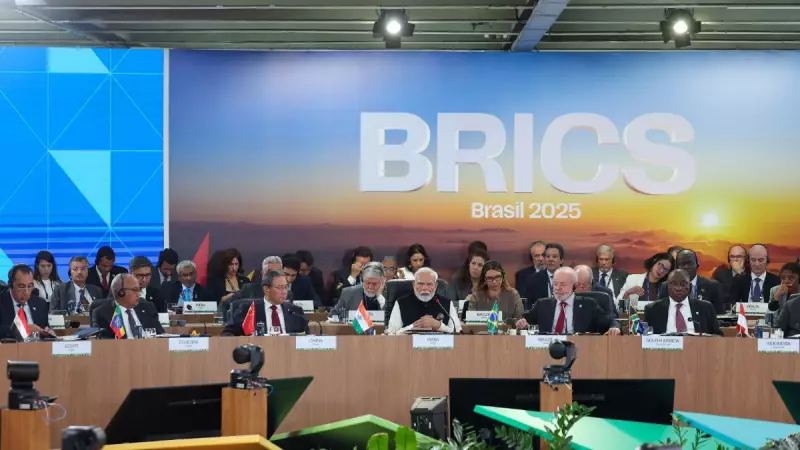
The decision for India to take the helm in 2026 was confirmed during the 15th BRICS summit in Johannesburg. This presidency follows those of Russia in 2024 and Brazil in 2025, placing India at the forefront after a significant expansion of the bloc. The grouping now includes new members like Egypt, Ethiopia, Iran, Saudi Arabia, and the United Arab Emirates, fundamentally altering its dynamics and potential influence.
This expansion transforms BRICS into a more formidable coalition representing a vast portion of the world's population, energy resources, and economic output. For India, leading this larger, more diverse forum is both an opportunity and a responsibility. It provides a powerful platform to amplify issues critical to developing nations, such as inclusive economic growth, sustainable development, and reform of multilateral institutions. However, it also requires navigating the varied, and occasionally conflicting, interests of member states with differing relationships with Western powers.

The Delicate US-India Partnership in the BRICS Context
A central dilemma for New Delhi will be managing its relationship with Washington. Over the past two decades, India-US ties have transformed into a comprehensive global strategic partnership, covering defense, technology, and trade. This relationship is a cornerstone of India's foreign policy and national security strategy.
Yet, the BRICS forum, historically viewed with skepticism by the West as a potential counterweight to US-led global order, could create friction. India will need to assure its American partners that its BRICS leadership is not aimed at forming an anti-US alliance but is instead focused on pragmatic South-South cooperation and providing alternatives for development finance and trade. Experts suggest India will likely use its presidency to steer BRICS towards a more pragmatic, development-focused agenda, avoiding overt anti-Western rhetoric that could undermine its other key partnerships.
Forging a Cohesive Agenda for the Global South
India's success as BRICS chair will hinge on its ability to craft a unifying agenda. Key focus areas are expected to include:
- Institutional Strengthening: Consolidating the expanded membership and enhancing the operational capacity of the New Development Bank (NDB).
- Economic Security: Promoting local currency trade and payment mechanisms to reduce dollar dependency.
- Digital and Green Transitions: Fostering cooperation in digital public infrastructure and clean energy, areas where India has demonstrated leadership.
- Multilateral Reform: Advocating for greater representation of developing countries in institutions like the UN Security Council and IMF.
By emphasizing these concrete, constructive issues, India can position BRICS as a solutions-oriented coalition rather than merely a forum for grievance. This approach aligns with India's own developmental goals and can resonate across the diverse membership, from Iran to the UAE.
The year 2026 will be a defining chapter for Indian foreign policy. Its BRICS presidency is not just about hosting meetings but about setting a direction. India's unique position as a trusted bridge between the established West and the emerging Global South gives it a rare chance to demonstrate statesmanship. If successful, New Delhi can solidify its role as a leading voice for the developing world while maintaining the strategic autonomy necessary to nurture its critical ties with the United States and other nations. The world will be watching to see if India can turn this diplomatic tightrope walk into a triumph.