India Faces a $1 Billion Decision for Trump's Gaza Peace Board
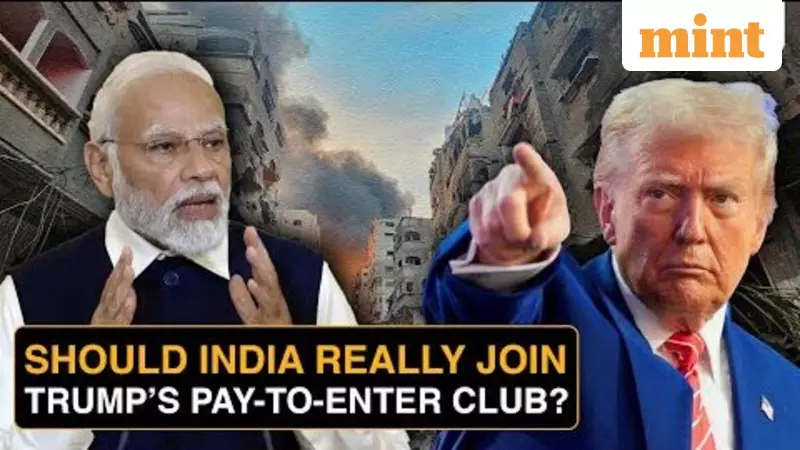
The United States has extended a formal invitation to India. Washington wants New Delhi to join a new international body called the "Board of Peace." This board will oversee the massive reconstruction of Gaza after the recent conflict.
The High-Stakes Offer from Washington
Former US President Donald Trump will chair this powerful new board. Other notable members include Senator Marco Rubio, former advisor Jared Kushner, and former UK Prime Minister Tony Blair. The group has a critical mandate.
Its primary tasks are threefold:

- Establishing a transitional government for Gaza.
- Overseeing the restoration of essential utilities like water and electricity.
- Ensuring long-term stability in the post-war period.
The offer to India comes with a unique and costly choice. The nation can accept a free membership, but this seat would only last for three years. Alternatively, India can pay a staggering $1 billion to secure a permanent, unchanging position on the board.
A Historic Geopolitical Crossroads for India
This decision places India at a significant strategic junction. Accepting the permanent seat, especially by paying the fee, would dramatically boost India's influence in the Middle East. It would grant New Delhi substantial leverage in dealings with key players like Israel, the Gulf nations, and the United States itself.
Furthermore, it positions India as a major actor in post-conflict state-building, a role of global prestige. However, the gamble is substantial. Critics argue that by joining this US-led initiative, India might be endorsing a plan that deliberately bypasses traditional United Nations frameworks.
This move could be seen as aligning too closely with a US-centric vision for the region, potentially straining other diplomatic relationships. The core question for Indian policymakers is stark: Is this a historic opportunity to cement its global standing, or is it a risky geopolitical bet with unpredictable consequences?
The invitation, reported in detail, forces a complex evaluation of costs versus strategic benefits. India must weigh the immediate financial outlay against the potential for decades of enhanced diplomatic power and a central role in shaping the future of a volatile region.