India Deliberates Trump's Gaza Peace Board Invitation
New Delhi is carefully assessing an invitation from US President Donald Trump for India to join the Board of Peace for Gaza. This invitation forms part of Trump's broader Gaza peace plan. The Indian government must weigh multiple factors before making a decision.
Serious Diplomatic Considerations
India must take this invitation seriously. A mercurial US President like Trump could view a refusal as an affront. Currently, India faces up to 50% tariffs from the United States. Additionally, India has not acknowledged Trump's claimed role in brokering the India-Pakistan ceasefire. These existing tensions mean Delhi must think through potential consequences carefully.
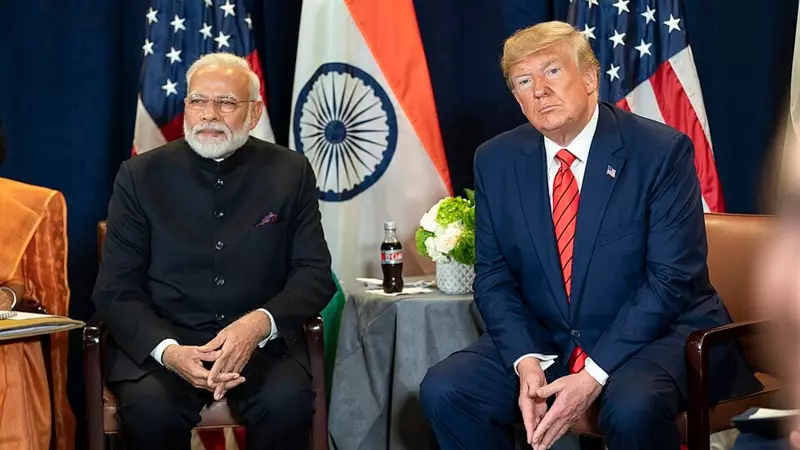
Trump has framed this initiative as a "bold new approach in resolving global conflict." This adds weight to the decision India must make. The invitation also featured in discussions between Prime Minister Narendra Modi and visiting UAE President Sheikh Mohamed bin Zayed Al Nahyan.

India's Cautious Middle East Stance
India has maintained extreme caution regarding the Middle East conflict. The region holds critical importance for India's energy security. Approximately nine million members of the Indian diaspora live across Middle Eastern countries. These factors make any decision particularly sensitive.
The invitation presents several challenges for Indian policymakers:
- Potential consequences of refusing the invitation
- Whether the board challenges the United Nations' primacy
- The scope of the board's charter, which appears to extend beyond Gaza
- Responses from other key countries and international partners
- The risk of exclusion while Pakistan participates at the table
- Questions about Trump's political staying power and reliability
UN Primacy and International Framework Concerns
Delhi will carefully consider whether the peace board challenges existing international frameworks. India values the primacy of the United Nations. The government would not want to support parallel processes that might undermine UN authority.
The current board charter seems to reach beyond Gaza issues. This broader scope makes Delhi particularly cautious. The shadow of the India-Pakistan conflict and Trump's ceasefire claims continues to affect India-US relations. It also influences the rapport between PM Modi and President Trump.
International Responses and Coordination
India is closely watching how other countries respond to this invitation. Major global powers have shown varied reactions:
Russia: Kremlin spokesperson Dmitry Peskov stated that President Vladimir Putin received the invitation. Russia is "studying the details" and seeking clarity on "all the nuances" through contacts with the US.
United Kingdom: British Prime Minister Keir Starmer said the UK is discussing the Board of Peace with allies. While not confirming a formal invitation, Starmer indicated willingness to participate in the Gaza peace plan's second phase.
France: French Presidency sources revealed that France, like many countries, received an invitation. France is examining the proposed legal framework with partners but "does not intend to respond favourably" at this stage. French officials expressed concern that the charter "goes beyond the sole framework of Gaza" and raises issues regarding UN principles.
Germany: German officials stated they will examine what contribution Berlin can make toward resolving the Gaza conflict. A spokesperson emphasized that the UN remains "the central multilateral framework" for Germany.
European Union: European Commission spokesperson Olof Gill confirmed that Commission President Ursula von der Leyen received an invitation. She will speak with other EU leaders about the plan, with the Commission wanting "to contribute to a comprehensive plan to end the Gaza conflict."
Israel: The office of Israeli Prime Minister Benjamin Netanyahu stated the committee formation wasn't coordinated with Israel and is "contrary to its policy." Israel hasn't received an invitation, unlike regional rival Turkey.

The Pakistan Factor
Within Delhi, there's a significant view that Pakistan's inclusion complicates India's position. With Pakistan at the table, it becomes more difficult for India to stay out of the board. This factor adds another layer to India's decision-making process.
India has observed these international responses carefully. The government believes any decision must involve coordination with close partners. The complex web of diplomatic relationships requires careful navigation.
As deliberations continue, India balances its national interests with international obligations. The decision will reflect India's evolving role on the global stage and its approach to Middle East diplomacy.