India's Strategic Pause on Trump's Board of Peace Initiative
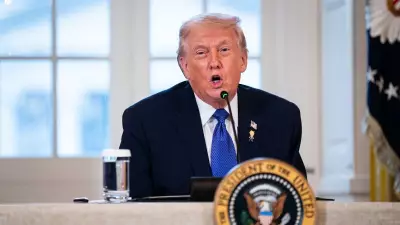
As US President Donald Trump introduced his Board of Peace and son-in-law Jared Kushner outlined plans for a 'New Gaza' reconstruction following the Israel-Hamas conflict, India notably abstained from the Davos ceremony on Thursday. The nation is currently navigating a delicate diplomatic path by neither rejecting nor accepting Trump's invitation for Prime Minister Narendra Modi to participate in the board.
Key Factors Influencing India's Cautious Stance
Sources indicate that India has substantial reasons for delaying its involvement, preferring to observe developments closely. The decision hinges on multiple critical considerations:
- Composition and Legitimacy: India is evaluating the board's member countries, which include Argentina, Albania, Armenia, Azerbaijan, Bahrain, Belarus, Bulgaria, Egypt, Hungary, Indonesia, Israel, Jordan, Kazakhstan, Kosovo, Morocco, Mongolia, Pakistan, Qatar, Saudi Arabia, Turkey, the United Arab Emirates, Uzbekistan, and Vietnam. Notably, major European nations and permanent UN Security Council members like Russia, China, France, and the UK have refrained from joining, raising questions about the board's authority and global acceptance.
- Longevity and Sustainability: With the board being a personal initiative of Trump, its future beyond his presidency is uncertain. India is assessing whether to invest resources in a project that may become obsolete after Trump's term ends in three years, especially if he disengages prematurely.
- Multilateralism and UN Framework: India's commitment to the United Nations and multilateral diplomacy is at stake if the board undermines existing international structures. Concerns persist about whether decisions will be consultative or driven by Trump's preferences, with Delhi monitoring the operational guidelines closely.
- Scope and Regional Implications: There is apprehension that the board might extend its focus beyond Gaza to other conflicts, such as India-Pakistan tensions. Pakistan's inclusion adds complexity, as India risks exclusion from decision-making in potential future disputes if it opts out.
Balancing Act: Principles Versus Strategic Interests
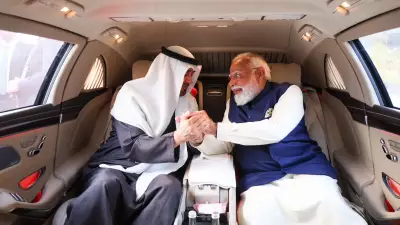
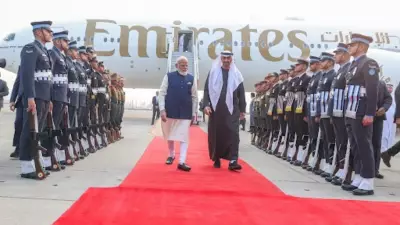
India's dilemma reflects a broader challenge in foreign policy: upholding long-standing principles on issues like Palestine and multilateralism while considering the strategic advantages of joining an elite global forum and avoiding diplomatic strains with the US. Recent consultations, such as those with UAE President Mohamed bin Zayed, underscore India's careful evaluation of regional dynamics and alliances.
Trump has suggested a role for the UN in the board's functions, but with an open-ended mandate, stating, "Once this board is completely formed, we can do pretty much whatever we want to do. And we'll do it in conjunction with the United Nations." This ambiguity further complicates India's position, as it seeks clarity on the board's objectives and limitations.
In summary, India's approach to the Board of Peace exemplifies a nuanced diplomatic strategy, emphasizing vigilance and prudence in a rapidly evolving global landscape. The nation's decision will likely hinge on ongoing assessments of the board's effectiveness, legitimacy, and alignment with India's core foreign policy values.