India-Uzbekistan Joint Military Exercise Dustlik 2026 Kicks Off in Namangan
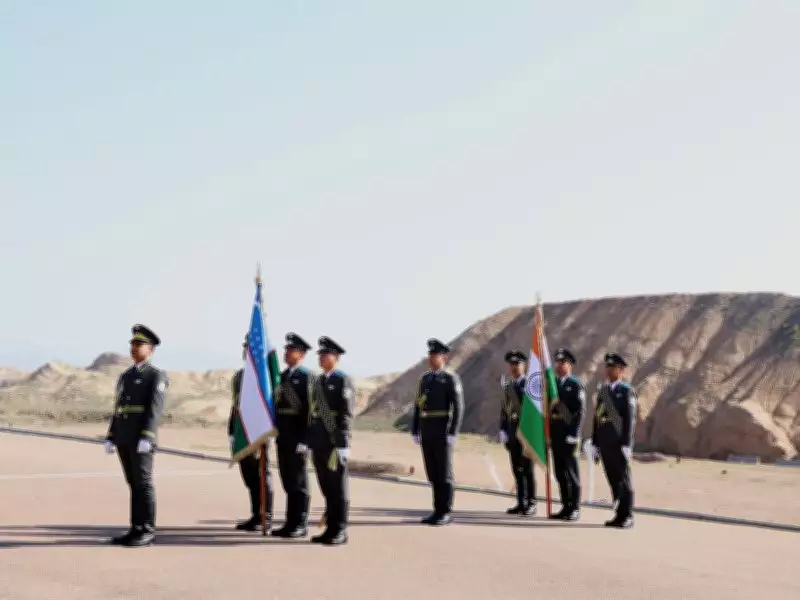
The bilateral military exercise Dustlik 2026 between India and Uzbekistan has officially commenced in the city of Namangan, Uzbekistan. This marks a significant step in strengthening defense cooperation and strategic ties between the two nations.
Enhancing Counter-Terrorism Capabilities
The primary focus of the exercise is on counter-terrorism operations in semi-urban and mountainous terrain. Troops from both countries are engaging in joint drills designed to improve interoperability and share best practices in modern warfare tactics.
Key objectives of Dustlik 2026 include:

- Conducting simulated counter-insurgency scenarios
- Enhancing coordination in intelligence sharing and surveillance
- Practicing joint maneuvers and tactical operations
- Building mutual trust and understanding between the armed forces
Strengthening Bilateral Defense Relations
This exercise is part of a broader effort to deepen military-to-military relations between India and Uzbekistan. It follows previous editions of Dustlik, which have been held alternately in both countries since its inception.
The Indian contingent is represented by a battalion from the Indian Army, while the Uzbek side is participating with units from their armed forces. The exercise is scheduled to last for several days, involving both field training and classroom sessions.
Officials from both nations have emphasized the importance of such joint exercises in promoting regional stability and security. They highlight the shared commitment to combating terrorism and enhancing peace in the region.
Strategic Significance and Future Prospects
Dustlik 2026 underscores the growing defense partnership between India and Uzbekistan, which is seen as crucial for addressing common security challenges. The exercise also aligns with India's broader foreign policy objectives of engaging with Central Asian nations.
Looking ahead, both countries are expected to explore further avenues for defense collaboration, including potential agreements on military training, technology transfer, and joint research and development projects.
The successful conduct of Dustlik 2026 is anticipated to pave the way for more frequent and complex military engagements, contributing to a robust and enduring strategic relationship.