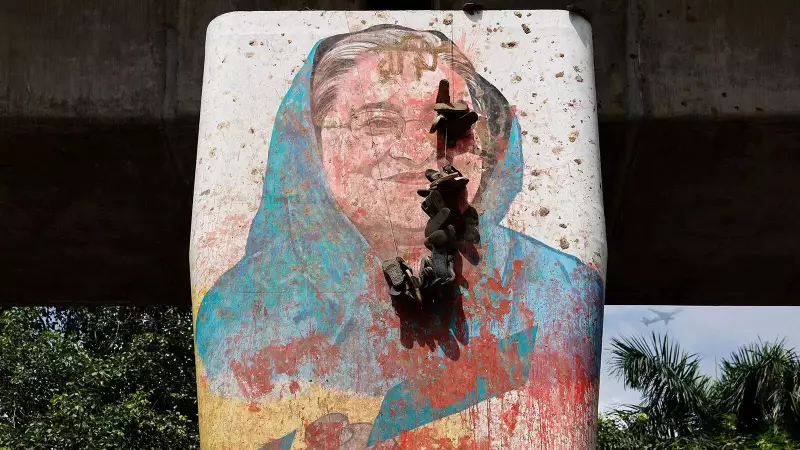
India maintains a cautious stance regarding Bangladesh's renewed request to extradite former Prime Minister Sheikh Hasina, who has been residing in India since her removal from power last year. The development comes amid significant political tensions between the neighboring nations.
Diplomatic Standoff Over Extradition
New Delhi has deliberately avoided making any commitments concerning Dhaka's persistent demand for the return of the former Bangladeshi leader. This position solidified on November 17, when a special tribunal in Bangladesh delivered a dramatic verdict, sentencing Sheikh Hasina to death in absentia.
India's response to the sentencing has been measured and diplomatic. Officials stated they had taken note of the verdict while emphasizing India's role as a close neighbor committed to Bangladesh's welfare. The Indian government reaffirmed its dedication to supporting peace, democracy, inclusion, and stability for the people of Bangladesh.

The 2013 Extradition Treaty Protection
The existing 2013 extradition treaty between India and Bangladesh potentially provides significant legal protection for Sheikh Hasina. This bilateral agreement contains provisions that could shield the former leader from what might be perceived as political persecution.
Legal experts suggest the treaty's framework offers India substantial grounds to deny the extradition request if there are indications that the case against Hasina stems from political motivations rather than genuine legal violations. This aspect of the treaty becomes particularly relevant given the current political climate in Bangladesh.
Strategic Considerations in India's Decision
Beyond legal technicalities, New Delhi faces complex strategic considerations that likely influence its position. India appears reluctant to abandon a long-time ally who has consistently aligned with Indian economic and security interests during her tenure.
Sheikh Hasina's administration maintained strong cooperation with India on multiple fronts, most notably in keeping radical Islamist elements in check, which directly served India's regional security concerns. This historical alignment creates significant diplomatic pressure for India to continue providing protection to the former leader.
The situation presents India with a delicate balancing act between maintaining cordial relations with Bangladesh's current government while honoring past alliances and strategic partnerships that benefited both nations during Hasina's leadership.