

India and UAE Leaders Emphasize Cooperation on Strait of Hormuz Security
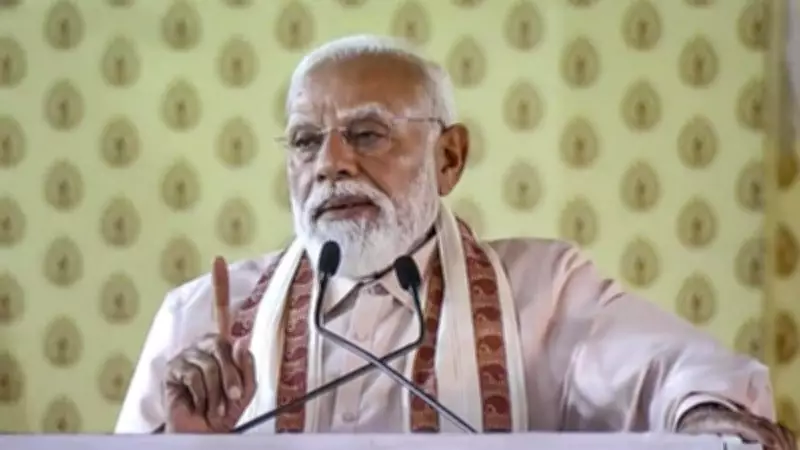
In a significant diplomatic engagement, Prime Minister Narendra Modi of India and President Sheikh Mohamed bin Zayed Al Nahyan of the United Arab Emirates held a telephonic conversation on Monday. The leaders discussed a range of bilateral and regional issues, with a particular focus on maritime security in the Persian Gulf region.
Key Agreement on Strategic Waterway
During their discussion, both leaders acknowledged the critical importance of the Strait of Hormuz as a global maritime chokepoint. They agreed on the necessity of maintaining its safety and security for uninterrupted international trade and energy flows. The strait, located between the Persian Gulf and the Gulf of Oman, is a vital passage for approximately one-fifth of the world's oil supply.
The conversation underscored the shared commitment of India and the UAE to promote stability in the region. This alignment comes amid ongoing geopolitical tensions that have periodically threatened the security of this crucial shipping lane.

Broader Bilateral Ties Strengthened
Beyond the specific issue of the Strait of Hormuz, Prime Minister Modi and President Sheikh Mohamed bin Zayed reviewed the comprehensive strategic partnership between India and the UAE. They expressed satisfaction with the growing cooperation in areas such as trade, investment, energy, food security, and defense.
The leaders also exchanged views on regional and global developments, highlighting the importance of continued dialogue and coordination between the two nations on international platforms.
Context and Implications
This high-level contact reinforces the deepening strategic ties between India and the UAE, which have flourished in recent years. The UAE is India's third-largest trading partner and a key source of energy imports. Ensuring the security of sea lanes like the Strait of Hormuz is directly linked to India's energy security and economic interests.
The agreement to keep the strait safe reflects a mutual understanding of the risks posed by regional instability and a willingness to collaborate on maritime security initiatives. It signals a proactive approach by both nations to address challenges that could impact global commerce.
This development is seen as a positive step towards enhancing regional security cooperation and safeguarding vital international waterways.






