India Condemns Pakistan's UN Remarks on Jammu and Kashmir
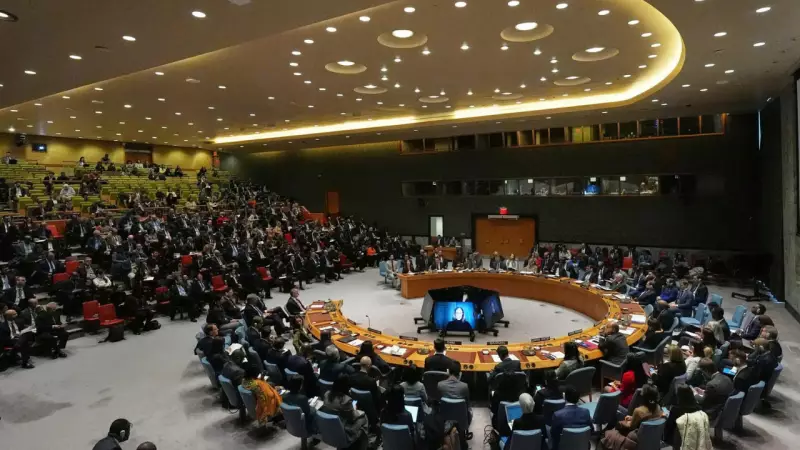
India delivered a sharp rebuke to Pakistan at the United Nations on Thursday. The criticism came after Pakistan's envoy mentioned Jammu and Kashmir during a General Assembly session.
Accusations of Platform Misuse
Eldos Mathew Punnoose from India's Permanent Mission to the UN led the response. He accused Pakistan of consistently misusing UN platforms. Punnoose stated Pakistan drives a divisive agenda through these actions.
"This forum is no exception," Punnoose declared. He emphasized that Pakistan made an unwarranted reference to Jammu and Kashmir. India considers this territory an integral and inalienable part of the nation.

Rejection of Baseless Allegations
The Indian diplomat dismissed Pakistan's statements as baseless allegations. He called them falsehoods completely detached from reality. Punnoose urged Pakistan to refrain from such practices.
He addressed the principle of self-determination enshrined in the UN Charter. Punnoose cautioned against abusing this right. He said it must not encourage secession in pluralistic democratic states like India.
Context of the Exchange
This diplomatic clash followed remarks by Pakistan's Permanent Representative Asim Iftikhar Ahmad. Ahmad referenced Jammu and Kashmir in his General Assembly address. India's response was swift and firm.
Punnoose also highlighted broader UN challenges. He mentioned the unique developmental issues facing the Global South. These include problems with development financing and climate justice.
Questions About UN Efficacy
The Indian representative raised concerns about the UN's effectiveness. He pointed to the organization's inability to intervene purposefully in critical functions. This weakness leads to questions about legitimacy and credibility.
"This is quite pronounced in case of maintenance of international peace and security," Punnoose observed. He noted conflicts raging across different global regions. The world hopes the UN can deliver solutions and end human suffering.
The exchange underscores ongoing tensions between the neighboring nations. It reflects India's firm stance on territorial sovereignty. The diplomatic language remained strong but measured throughout the session.