India Sheltered Iranian Warship as Humane Act, Says EAM Jaishankar
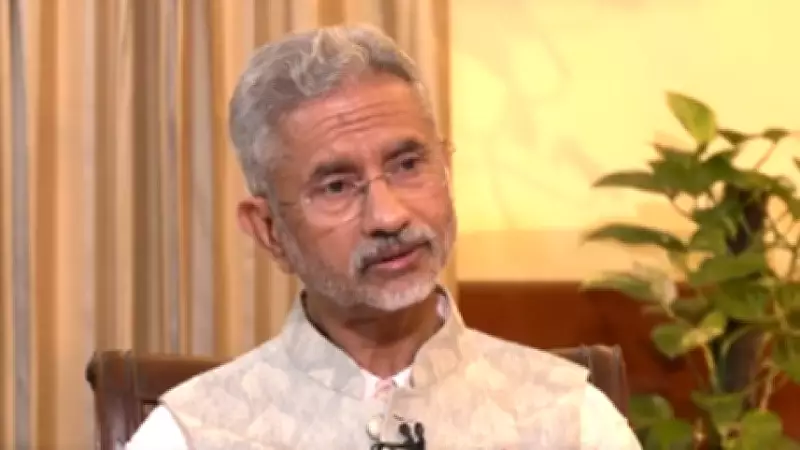
In a significant diplomatic statement, External Affairs Minister Dr. S. Jaishankar has defended India's decision to provide shelter to the Iranian warship Iris Lavan during a period of heightened tensions in 2026. Jaishankar described the move as a humane act and asserted that India did the right thing in offering refuge to the vessel.
Context of the Incident
The incident unfolded against the backdrop of escalating hostilities between the United States and Iran. In early 2026, the US military sank an Iranian warship during a fleet review exercise, leading to crossfire chaos in the region. Amid this volatile situation, the Iris Lavan, an Iranian naval vessel, sought safe harbor, and India granted it shelter.
Jaishankar emphasized that India's action was driven by humanitarian considerations and a commitment to regional stability. He stated that providing shelter was a necessary step to prevent further escalation and protect lives, reflecting India's principled stance in international affairs.

Jaishankar's Justification
In his remarks, Jaishankar highlighted several key points:
- Humanitarian Imperative: The decision was based on the immediate need to ensure the safety of the crew and vessel, avoiding potential casualties in the conflict zone.
- Diplomatic Responsibility: India acted as a responsible regional power, aiming to de-escalate tensions rather than exacerbate them.
- Strategic Neutrality: The move underscores India's balanced foreign policy, maintaining ties with both the US and Iran while upholding international norms.
He further noted that such actions align with India's historical role as a peacemaker and its adherence to maritime safety protocols.
Regional and Global Implications
This incident has sparked discussions on India's diplomatic maneuvering in a complex geopolitical landscape. By sheltering the Iranian warship, India has:
- Demonstrated its capacity to make independent decisions based on ethical grounds, even under pressure from global powers.
- Potentially strained relations with the US, though Jaishankar's framing of the act as humane may mitigate backlash.
- Strengthened ties with Iran, reinforcing bilateral cooperation in trade and security.
Experts suggest that this move could influence future maritime disputes and set a precedent for humanitarian interventions in conflict zones.
Public and Political Reaction
Within India, the decision has received mixed responses. Supporters praise the government for upholding humanitarian values and asserting sovereignty, while critics express concerns over possible diplomatic repercussions. Internationally, reactions vary, with some nations applauding India's stance and others viewing it as a challenge to US authority in the region.
Jaishankar's defense of the action underscores the government's commitment to a nuanced foreign policy that prioritizes human welfare alongside strategic interests.
Looking Ahead
As tensions between the US and Iran continue to simmer, India's role as a mediator and stabilizer may become increasingly crucial. The sheltering of the Iris Lavan serves as a reminder of India's potential to shape regional dynamics through principled actions. Future diplomatic engagements will likely focus on balancing these humanitarian gestures with broader geopolitical alliances.
In conclusion, EAM Jaishankar's assertion that India did the right thing by sheltering the Iranian warship highlights a proactive approach to international crises, rooted in compassion and strategic foresight.