India Rejects Allegations of Payments to Iran for Safe Ship Passage
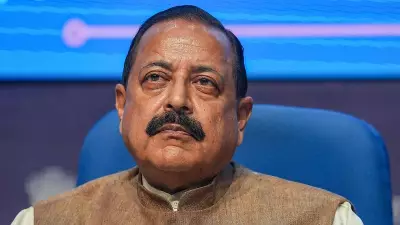
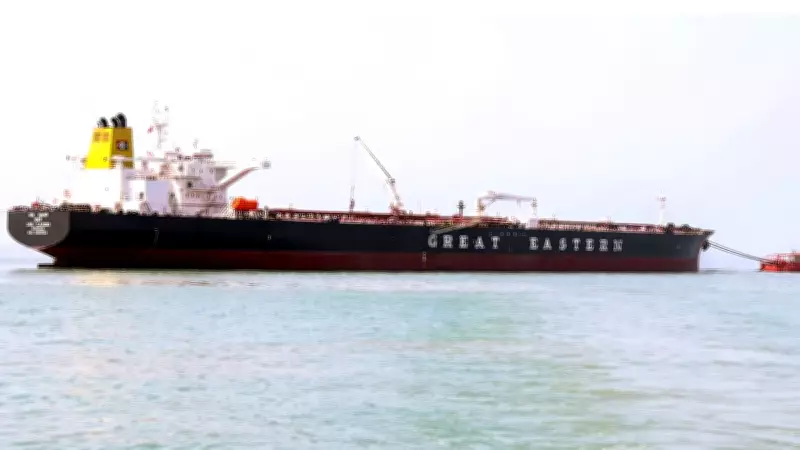
In a strong rebuttal, the Indian government has categorically denied recent media reports that suggested India made cash or cryptocurrency payments to Iran to secure safe passage for its vessels through the Strait of Hormuz. Officials have labeled these claims as completely baseless and unfounded, emphasizing India's commitment to international maritime laws and diplomatic protocols.
Background on the Allegations
The allegations surfaced in various international media outlets, claiming that India had engaged in financial transactions with Iran to avoid disruptions in the critical shipping lane. The Strait of Hormuz is a vital chokepoint for global oil shipments, with approximately one-fifth of the world's oil passing through it. Any instability in this region can have significant repercussions on global energy markets and trade routes.
India's Official Response
Indian authorities have issued a formal statement dismissing the reports as misinformation aimed at tarnishing India's image. They clarified that India maintains transparent and lawful maritime operations, adhering to all international regulations. The government stressed that such allegations could undermine diplomatic relations and regional stability, urging media to verify facts before publishing speculative stories.

Implications for Regional Security
This incident highlights the sensitive nature of maritime security in the Strait of Hormuz, where tensions have historically flared due to geopolitical rivalries. India's denial underscores its stance on resolving issues through dialogue and cooperation rather than clandestine payments. Experts note that false claims like these can escalate tensions unnecessarily, affecting not only bilateral ties but also global trade flows.
Cryptocurrency and International Payments
The mention of cryptocurrency in the allegations points to growing concerns over its use in illicit transactions. However, India has been proactive in regulating digital currencies, with recent policies aimed at curbing misuse. The government's rejection of such payments reinforces its commitment to financial integrity and transparency in international dealings.
In conclusion, India's firm denial serves to reaffirm its principled approach to maritime security and diplomacy. As a major global player, India continues to advocate for peaceful resolutions and adherence to international norms, ensuring the safety and freedom of navigation in crucial waterways like the Strait of Hormuz.