A fresh diplomatic confrontation has erupted between India and Pakistan following controversial statements from both sides regarding territorial claims, reviving long-standing historical disputes between the nuclear-armed neighbors.
Defense Minister's Historical Reference Sparks Outrage
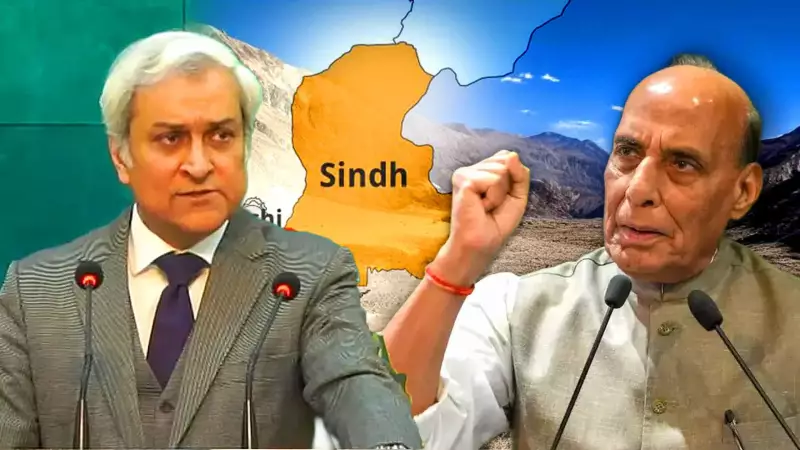
Indian Defense Minister Rajnath Singh ignited the latest verbal clash during an address to the Sindhi community in Delhi on November 29, 2025. Singh revived civilizational debates around Sindh, suggesting that borders are not permanent and that the region might eventually return to India.
The senior BJP leader emphasized the deep historical, cultural, and spiritual connections between India and Sindh, particularly highlighting the sacred significance of the Indus River for Indian civilization. His comments immediately drew sharp reactions from across the border.

Pakistan's Strong Condemnation and Counter-Claims
Pakistan's Foreign Office spokesperson Tahir Andrabi swiftly condemned Singh's statement as "deeply troubling" and "inflammatory" during an official press briefing. The Pakistani establishment characterized the remarks as irresponsible and likely to damage regional stability.
However, the controversy deepened considerably when Sindh Minister Syed Sardar Ali Shah responded with counter-claims during a session inside the Sindh Assembly. Shah asserted Pakistani claims over Indian states including Gujarat, Haryana, and Rajasthan, while simultaneously repeating Pakistan's established rhetoric on Kashmir.
The tit-for-tat statements have exposed the fragile nature of India-Pakistan relations, where historical grievances frequently resurface in diplomatic exchanges.
Broader Implications and Historical Context
This episode represents the latest chapter in the ongoing narrative warfare between New Delhi and Islamabad. The exchange has reopened historical wounds dating back to the Partition of 1947, when Sindh became part of Pakistan while millions of Sindhi Hindus migrated to India.
Political observers note that such statements typically emerge during periods of heightened tension between the two countries. The timing is particularly significant given recent developments in the region and domestic political considerations on both sides of the border.
The verbal clash demonstrates how historical territories and civilizational connections continue to influence contemporary diplomatic discourse between India and Pakistan. Both governments appear to be using historical narratives to reinforce their respective national positions and appeal to domestic audiences.
As the war of words continues, analysts worry that such exchanges could further deteriorate an already strained relationship, making future diplomatic engagement even more challenging. The episode underscores how quickly historical grievances can escalate into modern diplomatic confrontations between the neighboring nations.