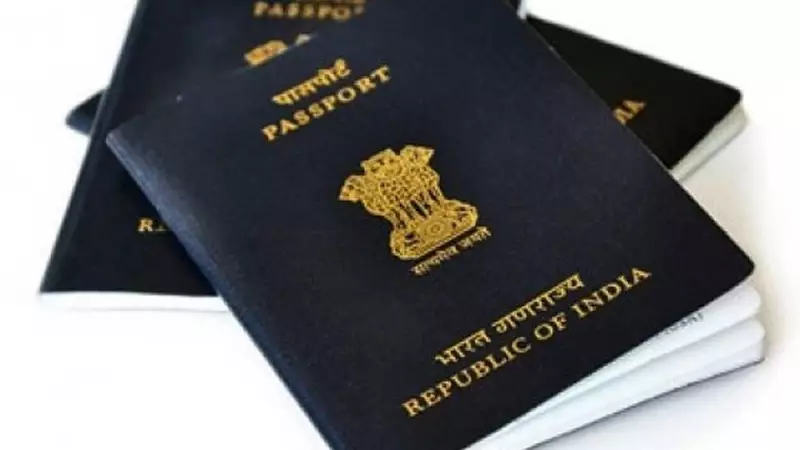
India has taken a significant leap forward in modernizing international travel documentation with the official launch of electronic passports, commonly known as e-passports. This groundbreaking initiative, announced by the Ministry of External Affairs, aims to revolutionize the travel experience for Indian citizens while enhancing document security.
What Makes India's New E-Passport Special?
The newly introduced e-passport represents a major technological upgrade from traditional passports. The most significant feature is the embedded electronic microprocessor chip that contains the same biographical information visible on the data page of the passport, including the holder's name, date of birth, and photograph. This chip also stores security data that helps immigration officials verify the document's authenticity instantly.
According to official statements, the primary objectives behind this move are threefold: to provide better security against identity theft and forgery, to significantly speed up immigration clearance processes at international borders, and to ensure India's travel documents align with evolving global standards. The e-passport initiative, officially announced on November 25, 2025, marks a new era for Indian citizens traveling abroad.
Eligibility and Application Process for E-Passports
The application process for the new e-passport maintains similarities with the existing system but involves enhanced security measures. Eligible Indian citizens can apply through the official Passport Seva portal or by visiting designated Passport Seva Kendra (PSK) locations.
The standard eligibility criteria for a regular passport apply to e-passports as well. Applicants must be Indian citizens and provide valid proof of identity, address, and date of birth. The Ministry of External Affairs has confirmed that the e-passport will be issued for all categories, including fresh applications, re-issue, and tatkaal services.
The key steps to apply include:
- Registering and filling the application form on the Passport Seva website
- Scheduling an appointment at a nearby Passport Seva Kendra
- Visiting the PSK with all required original documents
- Completing the verification process, which now includes additional steps for chip data recording
- Making the required payment for the passport fee
It is important to note that the application will involve capturing biometric data that will be stored on the secure chip.
Benefits and Global Impact of the Digital Passport
The introduction of e-passports brings numerous advantages to Indian travelers. The enhanced security features make the document extremely difficult to forge or tamper with, protecting citizens from identity fraud. The electronic verification process at immigration counters will be much faster, potentially reducing waiting times at airports and other international entry points.
This technological advancement places India in the league of countries that have adopted digital passport standards, facilitating smoother international travel and strengthening the country's position in global security compliance. The move is expected to be particularly beneficial for the large Indian diaspora and frequent business travelers who require efficient and secure border crossing processes.
The Ministry of External Affairs has assured that the transition to e-passports will be gradual, with existing valid passports remaining acceptable until their expiration date. However, citizens applying for new passports or renewals will now receive the advanced e-passport as the standard document.