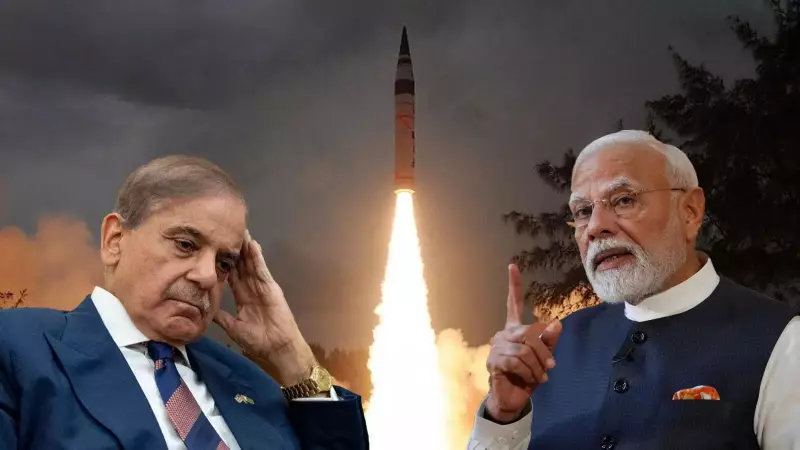
India's Strong Response to Pakistan's Nuclear Activities
India has delivered a powerful response following former US President Donald Trump's shocking revelation about Pakistan conducting clandestine underground nuclear tests. The Ministry of External Affairs described these activities as deeply concerning and reflective of Pakistan's long-standing history of nuclear proliferation.
The development comes after Trump's interview with CBS News where he claimed that several countries, including Pakistan, China, Russia, and North Korea, have been secretly testing nuclear weapons while the United States maintained restraint for three decades.
India's Official Statement and Concerns
India's Ministry of External Affairs confirmed that they have taken serious note of the US President's remarks and characterized them as a matter of grave concern for international security. The official response from New Delhi emphasized the clandestine nature of Pakistan's nuclear activities and connected them to Islamabad's documented history of nuclear smuggling and proliferation.

The Indian statement specifically reminded the global community about Pakistan's dark nuclear legacy, particularly highlighting the notorious AQ Khan network that was responsible for illegal nuclear technology exports and secret nuclear deals with various countries.
Historical Context and Global Implications
The reference to the AQ Khan network serves as a stark reminder of Pakistan's nuclear proliferation history. Dr. AQ Khan, often called the father of Pakistan's nuclear weapons program, confessed in 2004 to running an international nuclear smuggling ring that transferred nuclear technology to countries including North Korea, Iran, and Libya.
India's firm position makes it clear that the international community can no longer afford to ignore Islamabad's nuclear behavior. The timing of this revelation and India's response comes amid ongoing global concerns about nuclear proliferation and regional stability in South Asia.
The Indian government's statement underscores the need for increased international vigilance and monitoring of Pakistan's nuclear activities, particularly given the history of clandestine operations and the potential threat to regional peace and security.