

India Evacuates 260,000 Citizens from West Asia Amid Israel-Iran Conflict
In response to the intensifying conflict in West Asia, the Indian government has successfully facilitated the return of approximately 260,000 nationals from the region since February 28. This significant evacuation effort was highlighted during an inter-ministerial briefing held in New Delhi, where officials provided updates on the volatile situation.
Flight Operations and Diplomatic Engagements
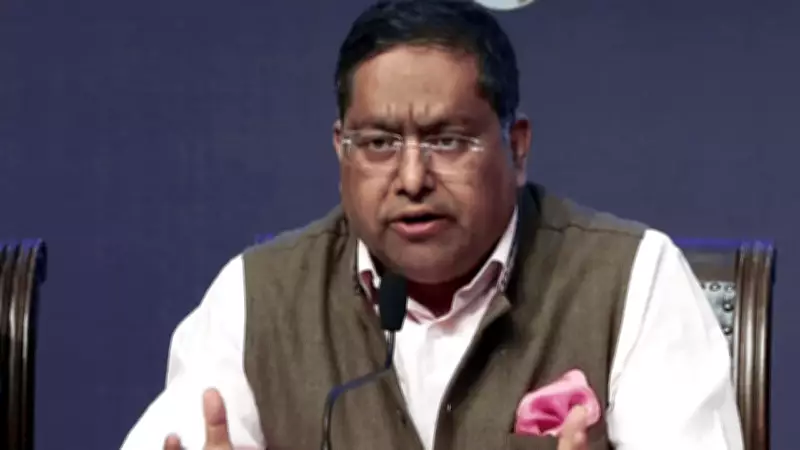
Aseem R Mahajan, Additional Secretary (Gulf) at the Ministry of External Affairs (MEA), described the current flight situation as "reassuring." He noted that on Wednesday, around 70 flights were expected to operate from various airports in the United Arab Emirates (UAE) to multiple destinations across India. This follows a similar number of flights on March 17, indicating a steady improvement in air connectivity despite operational closures in some affected countries.
MEA spokesperson Randhir Jaiswal detailed a crucial telephonic conversation between Prime Minister Narendra Modi and UAE President Sheikh Mohamed bin Zayed Al Nahyan on Tuesday. During the discussion, Prime Modi strongly condemned all attacks on the UAE that have resulted in loss of innocent lives and damage to civilian infrastructure. Both leaders emphasized the critical importance of ensuring safe and free navigation through the strategic Strait of Hormuz, a vital global oil chokepoint. They committed to continuing collaborative efforts for the early restoration of peace, security, and stability in the region.

This marks the second time Prime Minister Modi has engaged with the UAE President since the combined US-Israel offensive against Iran commenced on February 28. In retaliation, Tehran has launched attacks on several Gulf nations hosting US military installations, further escalating regional tensions.
Support for Indian Nationals and Students
The Indian Embassy in Tehran is actively assisting Indian nationals, particularly students, amid the crisis. Jaiswal reported that many Indians have expressed a desire to cross the Iranian border into Armenia and Azerbaijan. The embassy has issued advisories to ensure safe transit across these borders, urging all citizens to follow the guidelines meticulously.
Mahajan emphasized that the MEA is "continuing to monitor developments" in the Gulf and West Asia region "very closely." The ministry is providing comprehensive support, including:
- Assistance to seafarers and stranded Indian nationals
- Consular services and logistical support for short-term visitors
- Special efforts to aid Indian students in the Gulf region
In Tehran, the embassy has facilitated the relocation of several Indian students to safer locations. Additionally, Indian missions have proactively reached out to schools, including those affiliated with the Central Board of Secondary Education (CBSE). Due to the conflict, examinations have been disrupted:
- The Class 10 and Class 12 exams scheduled for Sunday were cancelled.
- Exams conducted by the Indian Certificate of Secondary Education (ICSE) and Kerala board have also been cancelled.
Mahajan stated that the respective educational boards will announce the formulation and determination of marks for these affected students in due course.
Regional Flight Updates and Fuel Supply Queries
Providing a detailed breakdown of regional air operations, Mahajan reported:
- Qatar: Airspace remains partially open. Qatar Airways operated five flights to India yesterday and has announced flights to nine destinations today.
- Kuwait: Airspace has been closed since February 28. However, special non-scheduled commercial flights by Jazeera Airways of Kuwait are expected to operate in the coming days to India from the Al Qaisumah international airport in Saudi Arabia.
When questioned about fuel supply requests from some of India's neighboring countries, Jaiswal reiterated that the government has received these requests and is examining them carefully, taking into account India's own requirements and availability.

International Context and NATO Comments
The briefing also touched upon international reactions to the crisis. Jaiswal confirmed that India has taken note of reports regarding US President Donald Trump's comments on NATO. Trump stated on Tuesday that NATO and most of America's other allies have rejected his calls to help secure the Strait of Hormuz, underscoring the complex geopolitical dynamics at play.
As the conflict continues to evolve, the Indian government remains steadfast in its commitment to safeguarding its citizens abroad and contributing to diplomatic efforts aimed at de-escalating tensions in West Asia.





