India and the European Union: Crafting a Transformative Geo-Economic Alliance
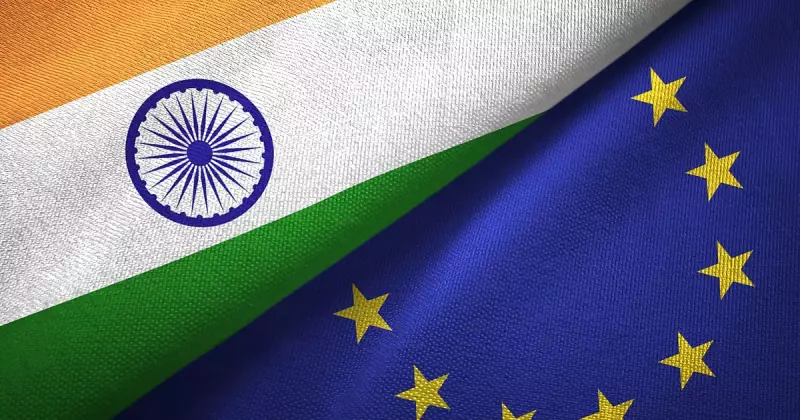
In a significant development for global economic diplomacy, India and the European Union are actively shaping a new geo-economic alliance that promises to redefine their bilateral relationship. This strategic initiative comes at a crucial juncture, as both parties acknowledge that their past interactions have often fallen short of realizing the full potential inherent in their partnership.
Recognizing Past Limitations and Embracing Future Opportunities
It has become increasingly evident that India-EU relations, despite their historical significance, have not achieved the depth and breadth that many analysts and policymakers had envisioned. There is now a widespread recognition among stakeholders that this relationship requires careful nurturing and sustained attention to overcome previous limitations. Both India and the European Union are demonstrating a renewed commitment to addressing these challenges through collaborative efforts and strategic dialogue.
The Strategic Imperative for Enhanced Cooperation
The evolving global economic landscape has created an urgent need for India and the EU to strengthen their ties. Several key factors are driving this renewed focus on partnership:

- Economic Complementarity: India's growing market and technological capabilities complement the EU's established industrial base and innovation ecosystem
- Geopolitical Considerations: Both entities seek to diversify their economic partnerships in an increasingly multipolar world
- Shared Values: Common commitments to democracy, rule of law, and sustainable development provide a strong foundation for cooperation
- Global Challenges: Addressing climate change, digital transformation, and supply chain resilience requires coordinated action
Building Blocks of the New Partnership Framework
The emerging India-EU geo-economic alliance is being constructed on multiple pillars that reflect the complexity and potential of this relationship:
- Trade and Investment: Enhancing bilateral trade flows and encouraging mutual investment in key sectors
- Technology Collaboration: Fostering innovation partnerships in areas like artificial intelligence, clean energy, and digital infrastructure
- Strategic Autonomy: Developing complementary approaches to economic sovereignty and resilience
- Institutional Mechanisms: Strengthening dialogue platforms and working groups to facilitate continuous engagement
As this partnership evolves, both India and the European Union are demonstrating a pragmatic understanding that meaningful progress requires patience, persistence, and a willingness to address complex issues through constructive dialogue. The careful nurturing of this relationship reflects a mature approach to international cooperation that balances immediate economic interests with long-term strategic objectives.
The success of this geo-economic alliance will depend significantly on the ability of both parties to translate their shared recognition of past shortcomings into concrete actions that deliver mutual benefits. With sustained effort and strategic vision, India and the EU have the potential to create a partnership model that could influence global economic governance for years to come.