India Strongly Condemns Vandalism at Embassy in Croatia by Khalistani Activists
India has issued a strong condemnation following the reported vandalization of the Indian Embassy in Zagreb, Croatia, where Khalistani activists allegedly removed the national flag. The Ministry of External Affairs has sought immediate action to hold the perpetrators accountable for what it termed their illegal actions.
Incident Details and Video Evidence
According to reports, a video shared online by Sikhs for Justice (SFJ) leader Gurpatwant Singh Pannun showed a Khalistani activist removing the Indian flag from the embassy premises on 22 January. The activist reportedly replaced it with a yellow Khalistan flag, marking a provocative act against Indian sovereignty. The embassy walls were also defaced with slogans such as Khalistan Zindabad, further escalating tensions.
In a video message from Punjab, Pannun made bold claims, stating that the days of Indian embassies flying the national tricolour were numbered. He asserted that if Punjab were to become independent, the Indian flag would be replaced by the Khalistan flag globally, highlighting the ideological motivations behind the incident.

Official Response and Diplomatic Actions
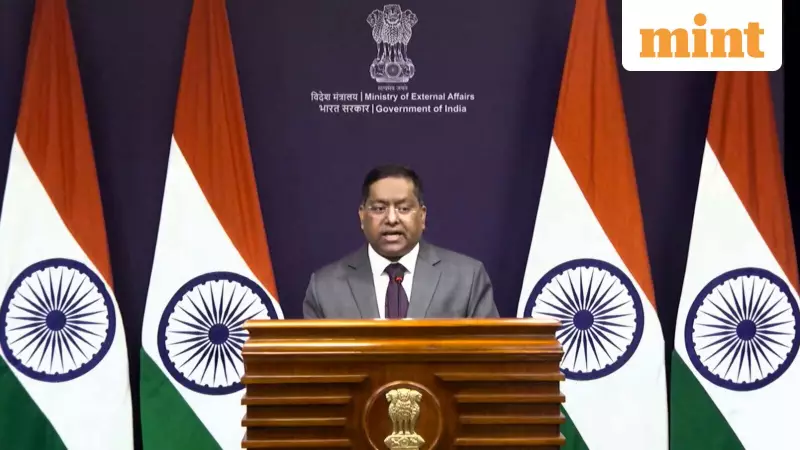
Taking to social media platform X, MEA spokesperson Randhir Jaiswal expressed India's firm stance, writing: We condemn the incident of trespassing and vandalism at our Embassy in Zagreb, Croatia by anti-India elements. Under the Vienna Convention, diplomatic premises are inviolable and must be protected.
The ministry has taken up the matter strongly with Croatian authorities, both in New Delhi and Zagreb, urging them to ensure accountability for what it described as reprehensible and illegal actions. India emphasized that such incidents reflect poorly on the character and motives of those involved and called on law enforcement authorities worldwide to take note.
Broader Context and International Implications
This incident is part of a troubling pattern of actions by Khalistani activists targeting Indian missions overseas, with similar cases frequently reported from countries like Canada, the UK, and the US. The timing is particularly sensitive, as it occurred just days ahead of the India–EU Summit in New Delhi on 27 January, where European Council President Antonio Costa and European Commission President Ursula von der Leyen were set to be chief guests at Republic Day celebrations.
Croatia, as a member of the European Union, finds itself at the center of this diplomatic issue. During Prime Minister Narendra Modi's historic visit to Zagreb last year—the first-ever by an Indian prime minister—he thanked Croatia for supporting India's fight against terrorism, marking a new chapter in bilateral relations. This recent incident tests the resilience of that partnership.
Legal and Diplomatic Framework
India's response is grounded in the Vienna Convention on Diplomatic Relations, which stipulates that diplomatic premises are inviolable and must be protected by host countries. By invoking this convention, New Delhi underscores the seriousness of the breach and the need for Croatia to uphold its international obligations.
The ministry further noted that such actions not only violate legal norms but also speak volumes about the intentions of those behind them. This statement aims to rally global support against such provocations, emphasizing that diplomatic security is a shared responsibility in the international community.