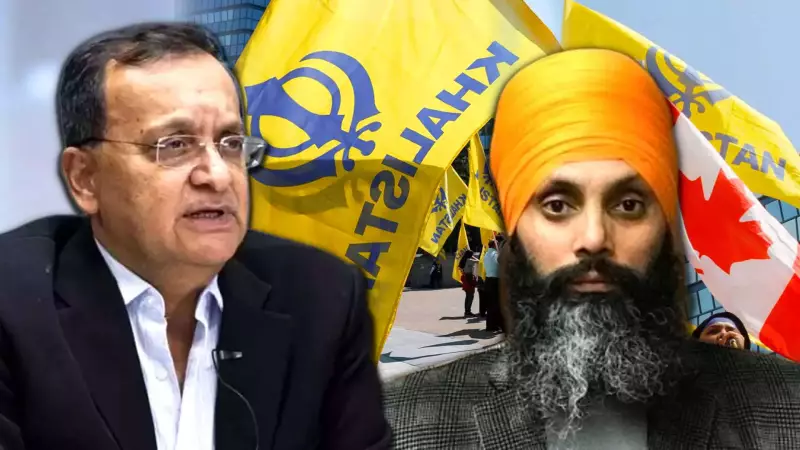
Indian Diplomat Confronts Canada Over Decades of Terrorism Failures
India's High Commissioner to Canada, Dinesh Patnaik, has delivered a sharp rebuke to Canadian authorities. In a recent interview with Canada's state broadcaster CBC, he accused them of neglecting extremist threats for nearly forty years.
A History of Inaction Cited
Patnaik pointed to a long pattern of failure. He specifically mentioned the tragic 1985 Air India bombing. This case remains unresolved, serving as a stark example of what he called Canada's poor record on counter-terrorism.
"For forty years, action has been lacking," Patnaik stated, framing the issue as a persistent security lapse.

Rejecting Allegations and Clarifying Stance
The envoy directly addressed recent tensions. He pushed back against Canadian allegations linking India to the killing of Khalistani figure Hardeep Singh Nijjar. Patnaik questioned the evidence, calling the claims completely unsubstantiated.
He made a crucial distinction for New Delhi's position. Patnaik rejected any suggestion that India targets free speech. He clarified that India's concern focuses solely on individuals involved in terrorist activities, not on peaceful expression.
The Path Forward for Bilateral Ties
Despite the strong criticism, both nations have shown interest in mending relations. However, Patnaik set a clear condition for any meaningful improvement.
He stressed that a genuine reset in India-Canada ties depends entirely on stronger, more decisive action from Ottawa. Canada must demonstrate a real commitment to dismantling extremist networks operating within its borders.
The interview highlights a deep-seated frustration in New Delhi. It underscores a demand for accountability and concrete steps from Canada after what India views as decades of inadequate response to terrorism.