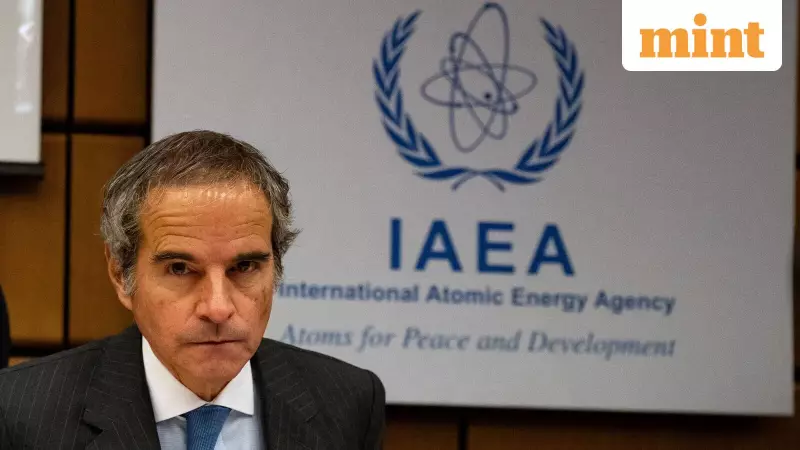
In a significant move, the board of the International Atomic Energy Agency (IAEA) has officially pressed Iran for greater transparency regarding its nuclear activities. The decision came during a closed-door meeting held in Vienna on Thursday, where diplomats approved a resolution demanding immediate clarity.
What the Resolution Demands
The resolution, passed by the UN nuclear watchdog's 35-nation board, urges Iran to comply fully and without delay with its legal obligations under existing United Nations Security Council resolutions. It specifically calls on Tehran to provide precise information on its nuclear material and facilities and to grant the IAEA all necessary access to verify this data.
According to a draft text seen by Reuters, the resolution stated, "Iran must ... provide the agency without delay with precise information on nuclear material accountancy and safeguarded nuclear facilities in Iran, and grant the agency all access it requires to verify this information."

International Support and Opposition
The vote revealed a divided international community. The resolution received 19 votes in favour, but faced opposition from three nations: Russia, China, and Niger. A significant number of countries, twelve in total, chose to abstain from the vote.
In a joint statement to the board, the United States, Britain, France, and Germany reinforced the resolution's message. They emphasized that Iran must resolve the outstanding safeguards issues without any postponement. "It must provide practical cooperation through access, answers, restoration of monitoring, to enable the agency to do its job and help rebuild confidence," the Western powers stated.
Iran's Strong Reaction and Ongoing Issues
Iran responded with swift condemnation. Iranian Foreign Minister Abbas Araghchi declared that the Western-backed resolution has disrupted Tehran's cooperation with the IAEA. A foreign ministry statement quoted him saying that the countries behind the resolution had "tarnished the IAEA's credibility and independence" and were disrupting the process of interaction.
This reaction was anticipated, as Iran had previously warned that passing such a resolution would "adversely affect" its cooperation with the agency. Iran maintains that its nuclear aims are entirely peaceful.
The tensions are fueled by specific unresolved issues. The IAEA reports that accounting for Iran's stockpile of enriched uranium, which includes material close to bomb-grade, is "long overdue" and needs to be addressed "urgently." Furthermore, Iran has still not permitted inspectors to access the nuclear sites that were damaged in bombings attributed to Israel and the United States back in June.