Canadian Politician's Specific Concern for LGBTQ Travelers in Mexico Triggers Controversy
Canadian Member of Parliament Heather McPherson has ignited a social media firestorm with her response to the escalating violence in Mexico following the military operation against notorious gang leader El Mencho. The politician's post specifically highlighting risks to LGBTQ community members in Puerto Vallarta has drawn significant criticism from users who question why she didn't issue a broader statement expressing concern for all Canadians in the region.
Targeted Travel Advisory Sparks Immediate Backlash
McPherson's social media statement read: "Many Canadians, especially members of the 2SLGBTQIA+ community, are in Puerto Vallarta, where violence has quickly escalated. A shelter-in-place order is in effect. Please stay vigilant and consult the Government of Canada travel advisories for Mexico."
The post immediately attracted criticism from social media users who perceived it as discriminatory. One user responded: "Could you just be normal for 1 day and hope everyone gets home safely?" Another wrote mockingly: "I trust the cartel has taken the appropriate DEI training to respond appropriately."

A particularly pointed comment stated: "My mother is in Mexico right now, which I confirmed last night, is safe, not someone you'd care about because she's not part of your alphabet gang. Do you see how dumb your post is?"
Widespread Violence Prompts Official Canadian Travel Alert
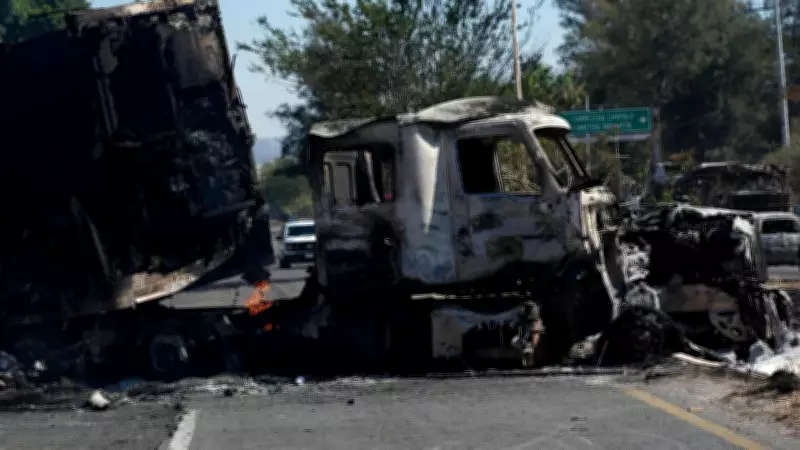
The controversy emerged against the backdrop of significant unrest across several Mexican states as El Mencho's cartel retaliated following the assassination of their leader. Canada's official travel advisory warned: "Criminal groups have set up roadblocks with burning vehicles in several cities in various parts of Mexico. There have been shootouts with security forces and explosions, including on roads and highways connecting affected areas to Mexico City."
Puerto Vallarta, a popular tourist destination particularly favored by LGBTQ travelers, has been identified as an epicenter of the recent violence. This context has led some observers to speculate whether McPherson's specific mention of the LGBTQ community stemmed from the destination's particular appeal to gay Canadian tourists.
Official Canadian Response and Registration Numbers
Foreign Minister Anita Anand revealed that 26,305 Canadians in Mexico have registered with Global Affairs Canada since the unrest began. "We know that the actual number of Canadians in Mexico is much higher," Anand acknowledged, noting that registration remains voluntary. She urged all Canadian citizens in Mexico to register with the government department.
During a Monday press conference, Anand confirmed she maintains contact with her Mexican counterpart, who anticipates the situation will normalize in coming days. The foreign minister explicitly stated that Canada has no plans to deploy military forces to Mexico.
Broader Implications of Targeted Messaging
The incident raises questions about how politicians communicate during international crises and whether highlighting specific demographic groups during travel advisories represents appropriate messaging or unnecessary division. While some argue that recognizing particular vulnerabilities within tourist populations represents responsible governance, critics contend that such specificity can appear exclusionary during moments of widespread danger.
The debate continues as Canadian authorities monitor the volatile situation in Mexico, where cartel violence has created dangerous conditions affecting thousands of international visitors and local residents alike.