Sheikh Hasina Decries Bangladesh's Political Climate, Stresses India's Role as Key Ally
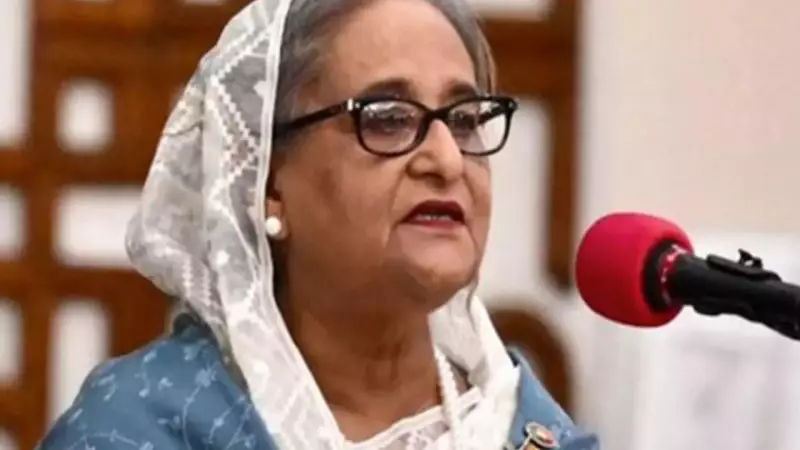
In a candid and revealing interview, former Bangladesh Prime Minister Sheikh Hasina has voiced strong concerns over the current political landscape in her country. She asserts that conducting free and fair elections under the interim government led by Muhammad Yunus is an impossibility. Hasina also underscores the critical importance of India having a reliable and stable neighbour, highlighting the deep-rooted ties between the two nations.
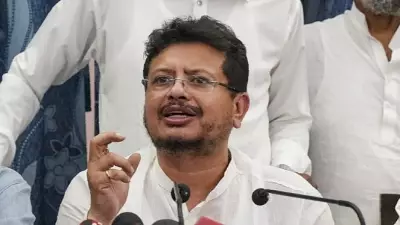
On Tarique Rahman's Return to BNP Leadership
Addressing the recent assumption of office by Tarique Rahman as chairman of the Bangladesh Nationalist Party (BNP), Hasina did not mince words. She pointed out that Rahman has spent years in exile in London, far removed from the everyday struggles and realities faced by ordinary Bangladeshi citizens. His departure from the country, she noted, was linked to allegations of abetting his late mother, former Prime Minister Khaleda Zia, in the embezzlement of public funds.
This is not merely a political disagreement, Hasina emphasized, but a fundamental issue of accountability and integrity in leadership. She criticized the BNP for consistently aligning with extremist elements to serve short-term interests, often at the expense of national stability. According to her, the party has embraced exclusion, intimidation, and opportunism, rather than fostering inclusive governance.

Bangladesh, Hasina argued, deserves leadership that is grounded within the country, respects pluralism, and remains accountable to its people. She dismissed figures who seek power through alliances with radical forces while operating from the safety of foreign shores.
Election Prospects and Awami League's Participation
With many questioning the feasibility of elections scheduled for February, Hasina shifted the focus from the mere occurrence of polls to their legitimacy. She highlighted that Bangladesh is currently under an unelected regime that has taken upon itself the authority to amend the constitution and enact legislation. This includes banning the Awami League, which she claims enjoys the confidence of over half the electorate.
It is precisely this widespread support that has led to our party's exclusion, Hasina stated, suggesting that fear of a democratic outcome drives the ban. She painted a picture of a political environment where meaningful participation is stifled, raising doubts about the credibility of any electoral process under the current administration.
Rising Atrocities Against Minorities and Government Failure
Responding to concerns over ongoing atrocities against minorities in Bangladesh, which have drawn reactions from India's external affairs ministry, Hasina placed the blame squarely on the interim government. She argued that the regime has not only failed in its basic duty to protect citizens but has actively emboldened repression. Under Yunus, she claimed, extremist groups that were previously contained have been empowered and elevated to positions of authority.
These elements, many associated with known terrorist organizations, have been allowed to propagate a hardline ideology that threatens the country's diversity. Hasina detailed deplorable acts of violence against peaceful Hindus, Buddhists, Christians, and Ahmadi Muslims, carried out with total impunity. The current climate is a direct result of appeasing fundamentalist forces, she concluded, warning of escalating lawlessness.
India's Role in Restoring Peace and Bilateral Relations
On how India can help restore peace in Bangladesh, Hasina commended India for condemning the human rights abuses and political repression under the Yunus regime. She noted that India is watching with dismay as Bangladesh descends into chaos, with minority groups facing daily violence and political imprisonments becoming commonplace. Harmful rhetoric from Dhaka, she added, further exacerbates tensions.

Hasina emphasized the intertwined prosperity of India and Bangladesh, rooted in geography, history, and cooperation. However, she criticized Yunus for damaging this relationship by empowering extremist groups that target religious minorities and allowing mobs to threaten Indian diplomatic premises. This recklessness stems from an administration lacking both experience and a mandate to dictate foreign policy, she argued.
Looking ahead, Hasina stressed that India deserves a reliable partner in Bangladesh—one capable of maintaining stability and honouring commitments. We must return to being the trustworthy friend our neighbours have always known, she affirmed, calling for a restoration of the strong bilateral ties that have historically defined the relationship.
In summary, Sheikh Hasina's interview paints a stark picture of political turmoil in Bangladesh, with implications for regional stability and India-Bangladesh relations. Her calls for accountable leadership and fair elections resonate as urgent appeals for democratic restoration and neighbourly trust.