

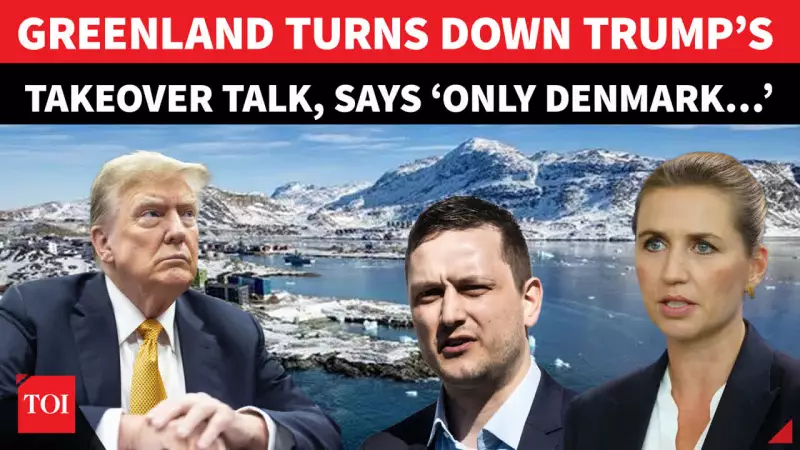
Greenland Stands Firm Against U.S. Pressure, Reaffirms Danish Ties
Greenland has delivered a clear message to Washington as Arctic tensions escalate. The autonomous territory's Prime Minister, Jens-Frederik Nielsen, stated unequivocally that Greenland would choose Denmark over the United States if forced to make a decision. He described the current situation as a serious geopolitical crisis.
Denmark Condemns U.S. Pressure as Unacceptable
Danish Prime Minister Mette Frederiksen strongly criticized what she called completely unacceptable pressure from the United States. Her remarks came in response to President Donald Trump's repeated comments about acquiring Greenland "one way or the other." The Danish leader made her position clear during a recent address.
NATO Grapples with Arctic Security Concerns
The dispute has now entered NATO discussions, with member nations including Germany, Britain and France actively debating Arctic surveillance missions. These countries are exploring ways to monitor the rapidly changing security landscape in the polar region.

NATO Secretary General Mark Rutte addressed the growing tensions without taking sides. He emphasized the importance of alliance unity while highlighting the critical need for Arctic security. Rutte's comments reflect the delicate balance NATO must maintain amid these international pressures.
Geopolitical Implications of Greenland's Stance
Greenland's firm rejection of Trump's takeover talk carries significant weight in global politics. The territory's strategic location in the Arctic makes it a valuable asset for both military and economic reasons. As climate change opens new shipping routes and resource opportunities, control over Arctic territories becomes increasingly contested.
The United States has shown consistent interest in Greenland for years, viewing it as a potential addition to American territory. Trump's public remarks about acquisition have brought this longstanding interest into sharp focus, creating diplomatic friction with Denmark.
Greenland maintains its autonomous status within the Kingdom of Denmark, enjoying self-governance in most domestic matters while Denmark handles foreign affairs and defense. This arrangement now faces its most serious test in decades as external pressures mount.
European NATO members appear particularly concerned about maintaining stability in the Arctic region. Their discussions about surveillance missions suggest growing apprehension about potential power shifts in this strategically important area.
The situation continues to develop as diplomatic channels remain active between the involved nations. All eyes remain on how this Arctic standoff will affect broader international relations and security arrangements in the coming months.






