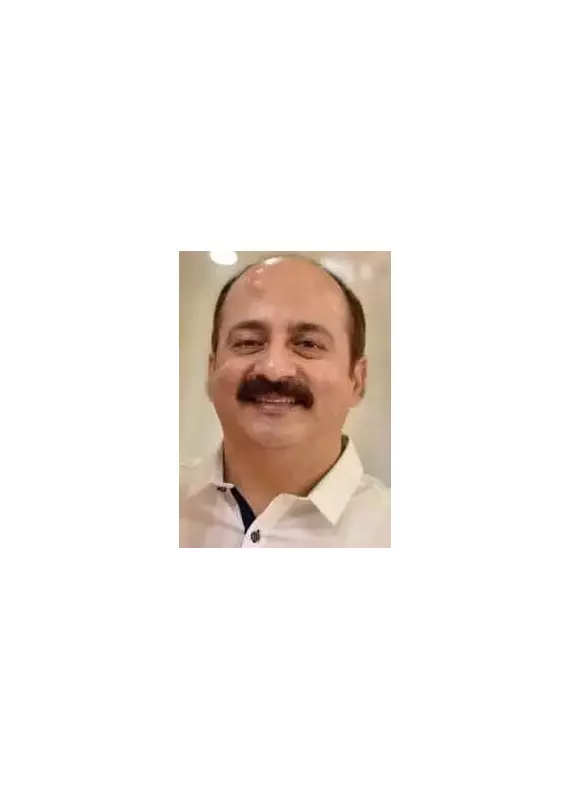
As the world steps into the new year, a sense of weary pragmatism, rather than idealistic peace, is setting the global tone. According to political strategist and futurist Vimal Singh, the planet is moving towards an enforced calm born out of sheer economic exhaustion. "Wars may not end decisively, elections may not produce absolute mandates, but one truth is unmistakable: Economic gravity has become the dominant geopolitical force," he states.
The Global Pivot: From Ideology to Economic Survival
Singh points to recent signals from Ukrainian President Volodymyr Zelenskyy, including video messages, diplomatic outreach, and a softening of rhetoric, as evidence of a leadership under intense pressure to seek closure. "This is no longer about victory or defeat alone; it is about survival, patience and economic endurance," Singh explains. He notes a growing impatience even among Ukraine's allies, suggesting that an uneasy peace is becoming the preferred outcome for many stakeholders.
This shift, he argues, aligns with the renewed political engagement of former US President Donald Trump. "His approach is transactional and economic — end wars, stabilise markets, and restore growth. The message is simple: Prolonged wars no longer sell politically when inflation and domestic unrest dominate voter concerns," Singh adds.

Meanwhile, China is strategically positioning itself on the sidelines. "China continues to play a longer, quieter game," Singh observes. He highlights Beijing's restrained posture on Ukraine and its simultaneous pressure on Pakistan to avoid escalation with India as clear indicators of its priority: economic returns over ideological battles. "Chaos disrupts supply chains; stability preserves dominance," he concludes.
India's Quiet Validation and Regional Calculus
For India, Singh believes the new year brings a phase of quiet validation rather than dramatic assertion. "New Delhi's calibrated, non-reactive approach towards Bangladesh and Pakistan has allowed internal contradictions within both countries to surface organically, without provocation," he says. In his analysis, economic fragility — not military confrontation — is steadily redrawing South Asia's strategic balance.
"The Bangladesh situation did not unravel as many expected, and India is increasingly viewed as a stabilising force rather than a disruptor. If understood and mobilised carefully, this sentiment could reshape future electoral narratives," Singh adds, pointing to a significant diplomatic opportunity for New Delhi.
The Political Landscape in Eastern India
Shifting focus to domestic politics, Singh notes a subtle but significant shift in eastern India's political mood. In Assam, he states that the BJP continues to enjoy a clear organisational and electoral advantage looking ahead to the 2026 state polls.
The scenario in West Bengal, however, presents a more complex picture. "Chief Minister Mamata Banerjee appears to be feeling sustained political pressure," Singh analyses. He emphasises that regardless of the final outcome in the next state election, the BJP has achieved a crucial psychological shift. "The BJP has altered the psychological terrain — an achievement that matters as much as numbers. The next phase will depend on translating perception into grassroots presence," he remarks.
Ultimately, Vimal Singh's forecast for 2024 is defined by the weight of economic reality. From the battlefields of Europe to the political arenas of South Asia, the imperative for stability and growth is overpowering older doctrines of conflict and absolute victory, setting the stage for a year of pragmatic, if reluctant, recalibration.