Former Singapore Minister Links Trump Presidency to Global Stress Surge
In a thought-provoking address at the C.D. Deshmukh Lecture, former Singapore minister Kishore Mahbubani made a striking observation. He stated that Donald Trump's time as U.S. president significantly elevated cortisol levels around the world. This comment has ignited discussions on the psychological impact of political leadership.
Mahbubani's Remarks at Prestigious Lecture
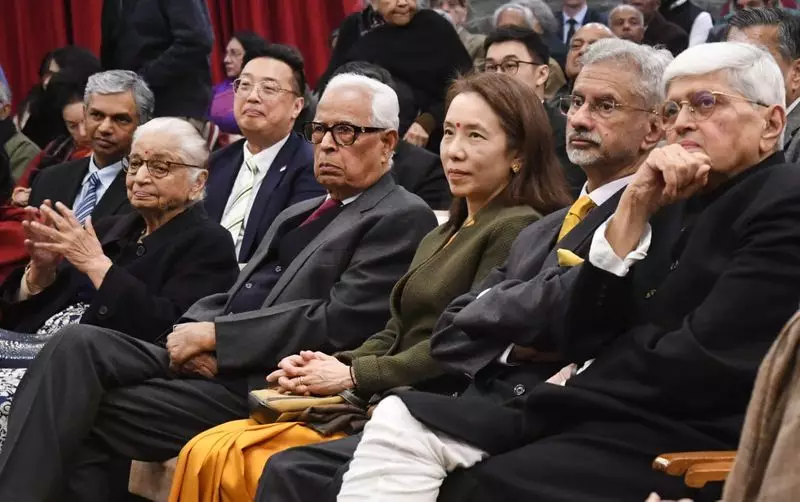
Kishore Mahbubani, a respected diplomat and academic, delivered the lecture in New Delhi. He argued that Trump's unpredictable policies and rhetoric created widespread anxiety. According to Mahbubani, this led to a measurable increase in stress hormones like cortisol among global populations. The former minister emphasized how such effects underscore the interconnected nature of modern governance.
Understanding Cortisol and Its Implications
Cortisol is often called the stress hormone. It plays a crucial role in the body's response to pressure. Elevated levels can result from perceived threats or uncertainty. Mahbubani suggested that Trump's actions, such as trade wars and volatile diplomacy, acted as constant stressors. This, in turn, impacted public health and international relations.

The lecture highlighted several key points:
- Trump's presidency introduced unprecedented volatility in global affairs.
- This volatility triggered physiological stress responses worldwide.
- The phenomenon reflects broader concerns about leadership in a hyper-connected era.
Reactions and Broader Context
Audience members and experts reacted with mixed feelings to Mahbubani's claims. Some agreed, citing studies on political stress and health. Others questioned the direct causality, noting multiple factors influence cortisol levels. Regardless, the discussion has drawn attention to how political figures can affect well-being beyond borders.
Mahbubani's speech also touched on the need for stable global leadership. He urged nations to prioritize cooperation over conflict. The C.D. Deshmukh Lecture, known for addressing critical issues, provided a fitting platform for this dialogue.
Why This Matters for India and Beyond
For India, a key player in international politics, such insights are particularly relevant. The country navigates complex relationships with major powers like the U.S. Understanding the stress impacts of global events can inform policy and public discourse. Mahbubani's remarks remind us that leadership choices have real, tangible effects on people's lives.
In summary, Kishore Mahbubani's lecture offered a unique perspective on the Trump era. By linking it to cortisol levels, he sparked a conversation about the hidden costs of political turmoil. As the world grapples with ongoing challenges, his words serve as a call for more mindful and stable governance.