Former Singapore Diplomat Advocates for Modern Panchsheel Principles in Asia
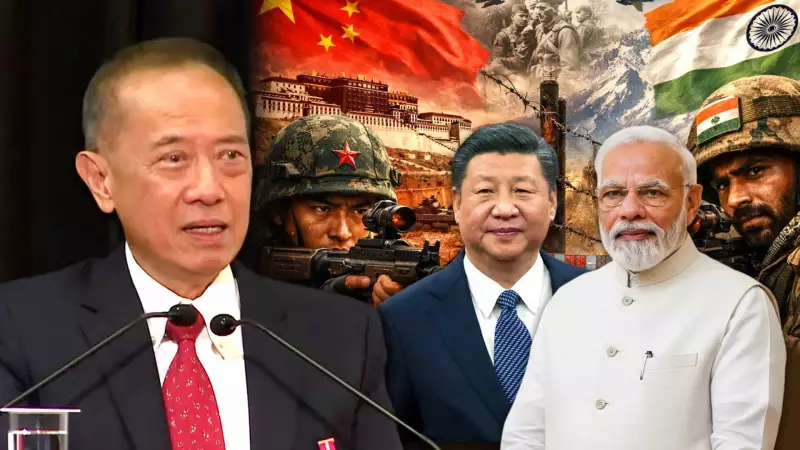
George Yeo, the former Foreign Minister of Singapore, has issued a compelling call for renewed cooperation in Asia. Speaking to a strategic audience in Delhi, Yeo emphasized the urgent need for India, China, and ASEAN nations to revive and adapt the Panchsheel principles for contemporary challenges.
Yeo Highlights India's Tough Rise Compared to China's Growth Era
Yeo pointed out that India's current ascent faces significantly harsher global conditions than China experienced during its post-2001 growth phase. China enjoyed two decades of relative stability, which allowed its GDP to multiply rapidly. In contrast, India now navigates complex trade wars, stringent technology controls, and mounting strategic pressures from various quarters.
The former minister advised India to adopt a nuanced approach in its foreign policy. He suggested that the country must demonstrate firmness without appearing rigid. Simultaneously, India should show flexibility without displaying any signs of weakness. This balanced stance could help India manage its relationships more effectively on the global stage.

Galwan Incident as a Turning Point with Pragmatic Signals
Yeo acknowledged the Galwan clash as a critical turning point in India-China relations. However, he noted that both sides have started sending pragmatic signals recently. These gestures indicate a potential willingness to engage in dialogue and reduce tensions. Yeo believes that such pragmatism could pave the way for more constructive interactions between the two Asian giants.
ASEAN's Dual Perspective on China and India's Balancing Role
The former Singapore FM elaborated on ASEAN's complex position. He stated that ASEAN countries undoubtedly benefit from China's economic growth and investments. Yet, there exists a palpable fear of Chinese dominance in the region. This apprehension makes India's role as a balancing force absolutely essential for maintaining regional stability.
Yeo argued that India's presence provides ASEAN nations with strategic options and reduces their over-reliance on any single power. This dynamic helps preserve autonomy and fosters a more multipolar environment in Asia.
Panchsheel 2.0 as a Moral and Strategic Framework
Yeo proposed Panchsheel 2.0 as a viable solution for Asia's current dilemmas. Rooted in the original principles of mutual respect and non-interference, this updated framework could offer both moral guidance and strategic clarity. In a world where Western dominance is no longer assured, Panchsheel 2.0 might provide Asia with a homegrown model for peaceful coexistence and cooperation.
The former minister stressed that such a framework could help Asian nations navigate the complexities of a multipolar global order. By adhering to these principles, countries could avoid unnecessary conflicts and focus on shared prosperity. Yeo's vision calls for collective action to shape Asia's future amidst global fragmentation.
His remarks underscore a growing recognition that Asia must develop its own diplomatic tools to address regional challenges. As ancient civilizations with rich histories, India, China, and ASEAN nations possess the wisdom to craft solutions that reflect their unique cultural and strategic contexts.