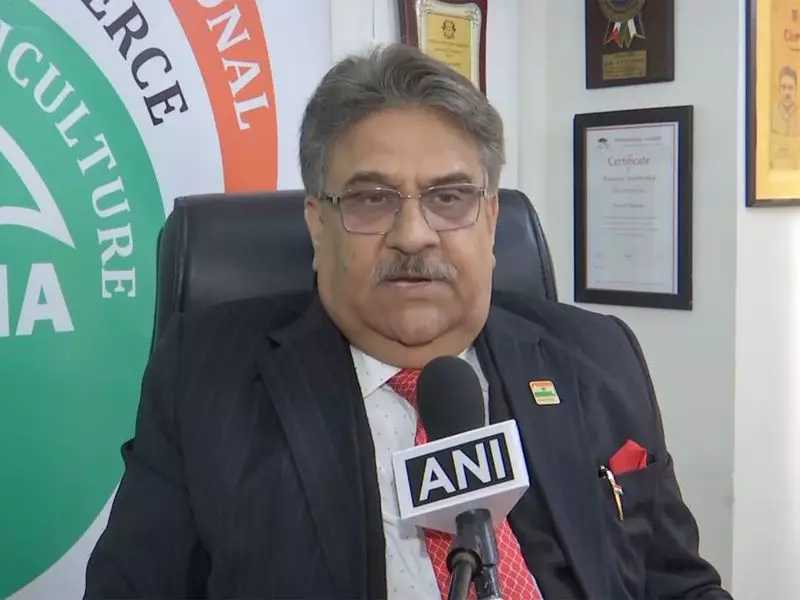
Bangladesh is navigating an "extremely delicate and dangerous" period, according to a stark assessment by a former senior Indian diplomat. Anil Trigunayat, who served as India's ambassador to several nations, has raised serious concerns about the escalating political and economic tensions in the neighbouring country, highlighting potential ramifications for regional stability.
A Nation on the Edge: Political Unrest and Economic Strain
In a recent interview, Trigunayat pointed to the deep political polarisation as a core issue. The situation intensified following the January 7 general elections, which were boycotted by the main opposition party, the Bangladesh Nationalist Party (BNP). The BNP's boycott and the subsequent victory of Prime Minister Sheikh Hasina's Awami League for a fourth consecutive term have created a significant legitimacy crisis.
The political landscape is fraught with allegations of authoritarianism and a severe crackdown on dissent. Trigunayat noted that tens of thousands of opposition leaders and activists have been imprisoned. This widespread suppression, he argues, has stifled political dialogue and pushed the country towards a precarious edge where public discontent is simmering beneath the surface.

Compounding the political turmoil are severe economic headwinds. Bangladesh, once hailed as a rising economic star in South Asia, is grappling with a sharp depletion of its foreign exchange reserves, high inflation, and a struggling currency. The economic distress is directly impacting the common citizen, increasing the potential for social unrest and adding fuel to the political fire.
Regional Implications and India's Stakes
The instability in Bangladesh holds significant consequences for India, its most important neighbour. Trigunayat, with his deep diplomatic experience, outlined several areas of concern for New Delhi. A destabilised Bangladesh could become a fertile ground for radical elements and cross-border terrorism, posing a direct security threat to India's eastern states.
Furthermore, India has substantial development and connectivity projects in Bangladesh, which are crucial for its 'Act East' policy and regional trade. Political chaos could jeopardise these investments and strategic initiatives. The ex-diplomat emphasised that India has a major stake in ensuring a stable, peaceful, and democratic Bangladesh. He suggested that New Delhi, while respecting sovereignty, should use its diplomatic channels to encourage inclusive dialogue and a peaceful resolution to the crisis.
The Path Forward: Dialogue and Democracy
Trigunayat's analysis underscores that there are no easy solutions. The way out of this "dangerous" phase, he implies, must be paved with political compromise. He advocates for the creation of a space where the ruling party and the opposition can engage in meaningful talks. The release of political prisoners and a relaxation of the crackdown could be initial steps towards de-escalation.
The international community, including major powers, is closely watching the developments. While external pressure exists, Trigunayat believes the primary impetus for change must come from within Bangladesh. The resilience of its civil society and the desire of its people for democratic norms will be critical factors in determining the nation's future trajectory.
In conclusion, the warning from the former diplomat is clear: Bangladesh stands at a critical crossroads. The combination of a bitter political standoff and a worsening economic crisis has created a volatile mix. How the current government addresses these intertwined challenges will not only shape Bangladesh's destiny but also have profound effects on the security and economic landscape of the entire South Asian region, with India having the most at stake.