

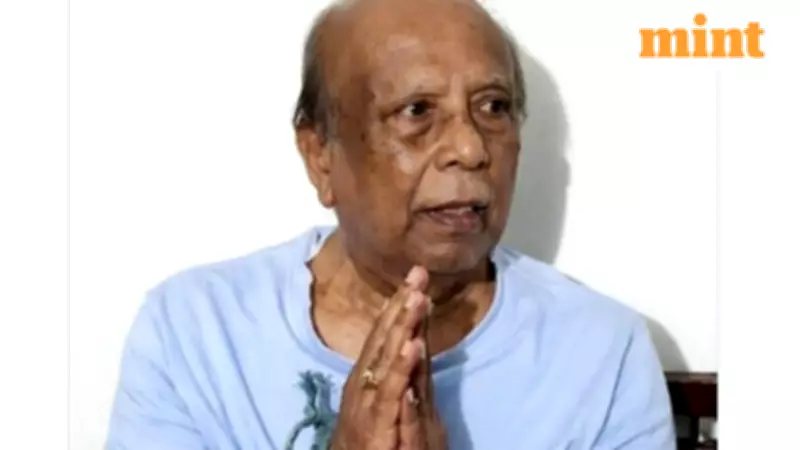
Former Bangladesh Minister Ramesh Chandra Sen Dies in Custody Ahead of 2026 Election
Former Bangladesh minister and senior Awami League leader Ramesh Chandra Sen passed away on Saturday morning while in custody at Dinajpur District Jail, according to local media reports. The veteran politician's death occurs just ahead of the nation's crucial general election, scheduled for February 12, 2026. This incident has reportedly intensified scrutiny regarding the treatment of detained politicians and has amplified accusations of custodial neglect within Bangladesh's judicial system.
Details of the Custodial Death
Ramesh Chandra Sen, aged 83, reportedly fell ill inside the jail early in the day and was promptly transported to Dinajpur Medical College Hospital. Medical professionals at the hospital declared him dead at approximately 9:29 am local time, as reported by the prominent Bangladeshi media outlet, The Daily Star. The circumstances surrounding his sudden illness and subsequent death have raised significant questions about healthcare standards and medical attention provided to detainees in custody.
Who Was Ramesh Chandra Sen?
Born on April 30, 1940, in Ruhia Union of Thakurgaon Sadar Upazila, Ramesh Chandra Sen was a distinguished political figure who represented the Thakurgaon-1 constituency in the Jatiya Sangsad on multiple occasions. He also served as the former Minister of Water Resources of Bangladesh, playing a crucial role in the nation's infrastructure development. The 83-year-old veteran had been a presidium member of the Awami League and had secured his latest parliamentary seat in the 2024 general election. However, his political career faced disruption when the Awami League was later barred from participating in politics under the Muhammad Yunus-led interim administration.

Legal Charges and Custodial Timeline
Ramesh Chandra Sen had been in custody since August 16, 2024, following his arrest by Thakurgaon police. After his initial detention, a court ordered his transfer first to Thakurgaon District Jail and subsequently to Dinajpur District Jail. He faced three serious legal cases, including a murder charge linked to political unrest that erupted after a mass uprising against the government of former prime minister Sheikh Hasina. These charges placed him at the center of Bangladesh's volatile political landscape.
Political Context and International Scrutiny
The interim government, led by Nobel laureate Muhammad Yunus and overseeing the electoral process, has faced substantial international and domestic criticism concerning human rights issues. Opposition voices argue that high-profile deaths in custody, particularly involving former Awami League officials, highlight systemic problems within Bangladesh's detention facilities. These incidents raise serious questions about medical care standards for detainees and the overall treatment of political prisoners, as reported by news wire PTI.
Sen's passing occurs amid a highly charged political climate in Bangladesh, where the Awami League has been excluded from the upcoming polls, and rival political parties are vigorously competing for dominance. This environment adds layers of complexity to the interpretation and implications of his death.
Bangladesh Election Schedule and International Observation
Voting for Bangladesh's general election is scheduled to take place on February 12, 2026, from 7:30 AM to 4:30 PM, according to the Dhaka Tribune. The official campaigning period began on January 22 and will continue until 7:30 AM on February 10, creating a narrow window for political mobilization. European Union election observers have described the upcoming vote as the "biggest democratic process of 2026," highlighting its significance on the global stage, as reported earlier by AFP.
The death of Ramesh Chandra Sen has cast a shadow over these preparations, prompting renewed debates about political freedoms, judicial transparency, and human rights protections in Bangladesh as the nation approaches this critical electoral milestone.






