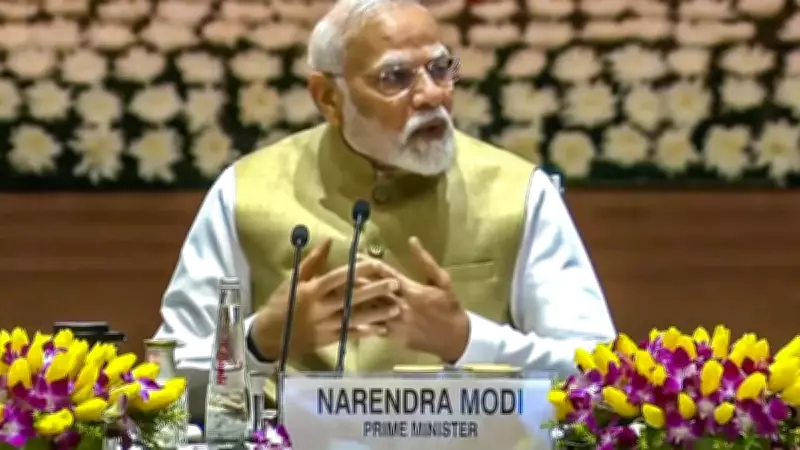
India's strategic pivot towards Europe has resulted in the consolidation of important diplomatic and economic relationships. The growing alignment between New Delhi and key European capitals underscores a mutual recognition of shared interests in a multipolar world order. This evolving partnership is not merely transactional but is built on a foundation of trust and common values, including democracy, rule of law, and sustainable development.
Lessons in Media Engagement
There is a profound lesson embedded in this diplomatic recalibration: open, honest responses to the media are important tools for effective engagement with the world. The rule also applies to prime ministers and teams that stand in their defence. In an age of information overload and rapid news cycles, transparency becomes a strategic asset. Governments that communicate clearly and candidly are better positioned to shape narratives and build credibility both at home and abroad.
Strengthening Bilateral Ties
Recent high-level visits and agreements have paved the way for enhanced cooperation in areas such as trade, technology, climate change, and defence. Italy, Sweden, and Norway have emerged as key partners in this European outreach. For instance, India and Italy have deepened their collaboration on infrastructure and renewable energy, while Sweden has been a frontrunner in innovation and sustainable urban development. Norway, with its expertise in maritime and blue economy sectors, complements India's strategic interests in the Indian Ocean region.

Strategic Autonomy and Multilateralism
India's engagement with Europe is part of a broader strategy of strategic autonomy, allowing it to diversify its partnerships without being overly dependent on any single power bloc. This approach resonates with European nations that value multilateralism and rules-based international order. Joint initiatives in forums like the United Nations and the World Trade Organization reflect a convergence of views on global governance reforms.
Economic and Technological Synergy
Economic ties are a cornerstone of the India-Europe relationship. Bilateral trade has seen steady growth, with investments flowing into digital infrastructure, pharmaceuticals, and automotive sectors. The India-EU Free Trade Agreement negotiations, though complex, hold promise for unlocking new opportunities. Moreover, collaboration in research and innovation, particularly in artificial intelligence and green technologies, is setting the stage for long-term synergy.
Conclusion
As the world navigates geopolitical uncertainties, India's pivot to Europe stands as a testament to the power of strategic diplomacy and honest communication. The lesson remains clear: in international relations, as in media engagement, openness and integrity are indispensable for building lasting partnerships.