EU-India Summit Poised to Forge Historic Trade and Defence Agreements
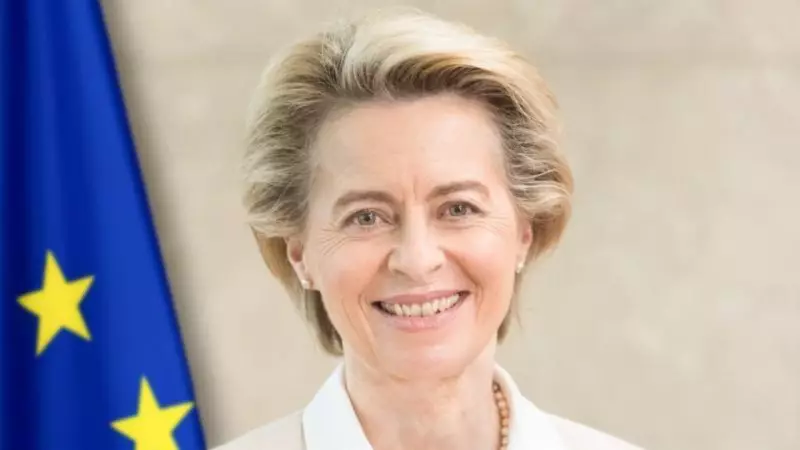
As the European Union and India approach a pivotal moment in their bilateral relations, the upcoming summit on January 27 is expected to yield two landmark outcomes: the conclusion of a long-negotiated free trade agreement (FTA) and the establishment of a new defence and security partnership. In an exclusive interview, European Commission President Ursula von der Leyen emphasized that while the final stages of negotiation are challenging, the rewards will be substantial for both sides.
Final Push for Free Trade Agreement
President von der Leyen confirmed that intensive efforts are underway to resolve remaining issues and finalize the EU-India FTA, which she described as one of the largest trade deals globally. This agreement is projected to create a combined market of two billion people and eliminate approximately €4 billion in tariffs for exporters, thereby boosting trade and investment significantly. Both parties are committed to addressing contentious points such as the Carbon Border Adjustment Mechanism (CBAM), automobiles, and steel, with a focus on finding mutually beneficial solutions.
The FTA is seen as a transformative economic opportunity, with trade in goods between Europe and India having nearly doubled over the past decade to exceed €120 billion annually. The deal aims to support sustainable job creation and unlock new growth avenues, reinforcing the strategic economic ties between the two democracies.

Strengthening Defence and Security Cooperation
Alongside the trade agreement, the summit will likely announce a new EU-India Security and Defence Partnership. This initiative is designed to enhance collaboration in areas such as defence industries, maritime security—particularly in the Indian Ocean—and secure communications. Von der Leyen highlighted that this partnership could be a game-changer in promoting shared security in an increasingly volatile global landscape, from Ukraine to the Indo-Pacific region.
The partnership will focus on diversifying military supply chains and improving access to new capabilities, thereby strengthening resilience on both sides. However, it is important to note that decisions regarding high-end defence technology transfers remain under the authority of individual EU member states, reflecting the nuanced nature of such collaborations.
Navigating Geopolitical Challenges
In the context of India's strong ties with Russia amid the ongoing conflict in Ukraine, von der Leyen underscored the EU's offer of reliability and long-term partnership based on shared values rather than pressure. She emphasized that the EU seeks cooperation by choice, anchored in mutual respect for security concerns and a commitment to upholding international law and multilateralism.
The EU chief also addressed the Greenland issue, reaffirming the bloc's support for Denmark and Greenland's sovereignty. She mentioned plans for increased European investment in Greenland and enhanced diplomatic engagement through the newly opened EU office in Nuuk, alongside a strategic approach to Arctic security in cooperation with partners like NATO and the United States.
Revitalizing the IMEC Initiative
Regarding the India-Middle East-Europe Economic Corridor (IMEC), von der Leyen expressed optimism about its potential to transform regional connectivity. The EU is already supporting related projects under its Global Gateway programme, including the EU-Africa-India Digital Corridor and Green Shipping Corridors. Continued efforts are expected at the summit to advance this initiative, further integrating economic ties between the regions.
As the EU and India prepare to deepen their strategic partnership, the summit represents a critical opportunity to reinforce a rules-based international order and foster a more secure and resilient world through collaborative efforts.