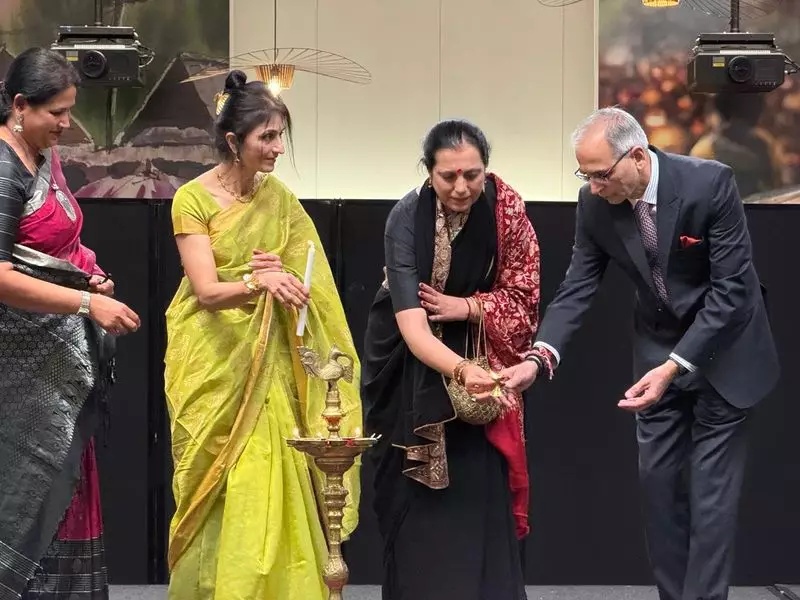
In a vibrant display of cultural diplomacy, India's Ambassador to the United States, Taranjit Singh Sandhu, illuminated the World Bank headquarters with the spirit of Diwali, hosting a spectacular celebration that brought together international diplomats and financial leaders.
A Historic Diwali Gathering at World Bank
The hallowed halls of the World Bank in Washington DC witnessed an unprecedented celebration as Ambassador Sandhu organized one of the first-ever Diwali events within the international financial institution. The festival of lights transformed the typically formal banking environment into a colorful, joyous celebration of Indian culture and traditions.
Strengthening International Bonds Through Culture
Ambassador Sandhu emphasized how Diwali's universal message of light overcoming darkness, knowledge prevailing over ignorance, and good triumphing over evil resonates across cultures and borders. "This celebration represents the growing cultural exchange between India and international institutions," he noted during the festivities.

The event saw participation from World Bank staff across various departments and nationalities, creating a melting pot of cultures united in celebrating this ancient Indian festival. Traditional diyas (oil lamps), rangoli decorations, and the sharing of Indian sweets created an authentic Diwali atmosphere in the heart of the American capital.
India's Soft Power on Global Stage
This diplomatic celebration highlights India's increasing soft power influence in international organizations. By bringing Diwali to the World Bank community, Ambassador Sandhu demonstrated how cultural diplomacy can build bridges between nations and foster greater understanding.
The event also showcased the significant presence and influence of the Indian diaspora within international financial institutions, reflecting India's growing global economic stature.
As the diyas glowed and traditional greetings echoed through the World Bank corridors, the celebration served as a powerful reminder of how cultural exchanges can strengthen professional relationships and create more inclusive international communities.