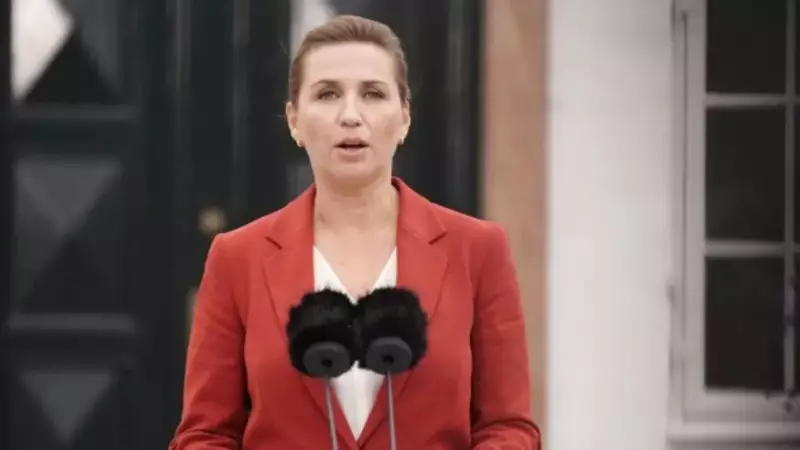
In a firm diplomatic statement, Denmark's Prime Minister Mette Frederiksen has publicly called on former US President Donald Trump to immediately stop making threats concerning the potential purchase of Greenland. This appeal comes in response to recent comments from Trump, who has revived discussions about acquiring the vast Arctic territory.
A Renewed Controversy Over Arctic Sovereignty
The diplomatic friction resurfaced after Donald Trump, during his current campaign for the US presidency, reiterated his interest in the idea of the United States buying Greenland. He reportedly suggested that if re-elected, he would seriously pursue this acquisition. This is not the first time the notion has caused a stir; during Trump's first term in 2019, a similar proposal was swiftly and firmly rejected by the Danish government, which labeled the idea "absurd."
Prime Minister Frederiksen addressed these renewed threats directly. She emphasized that Greenland is not for sale and that its future is a matter for the people of Greenland and the Kingdom of Denmark. Her statement underscored a commitment to respectful dialogue between sovereign nations, contrasting sharply with what she implied were coercive tactics.

Denmark's Stance: Dialogue Over Demands
Frederiksen's response highlights Denmark's consistent position. The Danish government views Greenland as an integral part of the Kingdom, albeit with extensive self-rule. The Prime Minister made it clear that any discussions about the island's future must involve its local population and respect the established political framework. She urged Trump to engage in constructive conversation rather than issuing public threats or ultimatums.
The core of Frederiksen's message was a call for the cessation of what she termed "threats" and a return to normal, respectful diplomatic channels. She pointed out that the strong historical alliance and partnership between the United States and Denmark should be based on mutual respect and shared values, not on territorial transactions.
Broader Implications for Arctic and Transatlantic Relations
This incident has implications beyond a bilateral disagreement. Greenland holds significant strategic importance in the Arctic region, which is becoming increasingly contested due to climate change opening new shipping routes and access to natural resources. The United States already maintains a critical military base, Thule Air Base, in northern Greenland.
The public exchange between a sitting European leader and a former (and potentially future) US president underscores the ongoing volatility in transatlantic relations. It also brings to the forefront questions about how great powers engage with smaller allies on issues of sovereignty and strategic interest. Frederiksen's firm rebuttal serves as a reminder that even close allies expect their territorial integrity to be respected unconditionally.
As the situation develops, observers will be watching how this affects the broader NATO alliance and cooperation in the Arctic Council. The people of Greenland have also consistently expressed a desire for greater independence and control over their resources, making external purchase proposals particularly sensitive and politically charged.