Global Election Bodies Forge Historic Consensus with Delhi Declaration 2026
In a landmark development for democratic governance worldwide, representatives from over 40 election management bodies (EMBs) across the globe came together in New Delhi on Friday to unanimously adopt the groundbreaking Delhi Declaration 2026. This significant accord establishes a comprehensive five-pillar framework designed to strengthen electoral processes internationally through enhanced cooperation and innovation.
The Five Foundational Pillars of Democratic Excellence
The declaration resolves to advance collaborative efforts across five critical areas that form the bedrock of robust democratic systems:
- Pure Electoral Rolls: Ensuring electoral lists contain only legally eligible voters, with emphasis on providing photo identity cards to all electors as a fundamental democratic requirement.
- Free, Fair and Transparent Elections: Promoting participative and inclusive electoral processes that involve all stakeholders while maintaining integrity.
- Research and Publications: Conducting systematic studies on various electoral systems and compiling comprehensive reports, including an encyclopedia of world democracies.
- Technology Integration: Harnessing digital tools to facilitate election stakeholders while simultaneously countering misinformation and ensuring electoral integrity.
- Training and Capacity Building: Developing comprehensive educational programs to ensure smoother electoral processes through knowledge sharing and transparent practice exchanges.
Operational Commitments and Future Collaborations
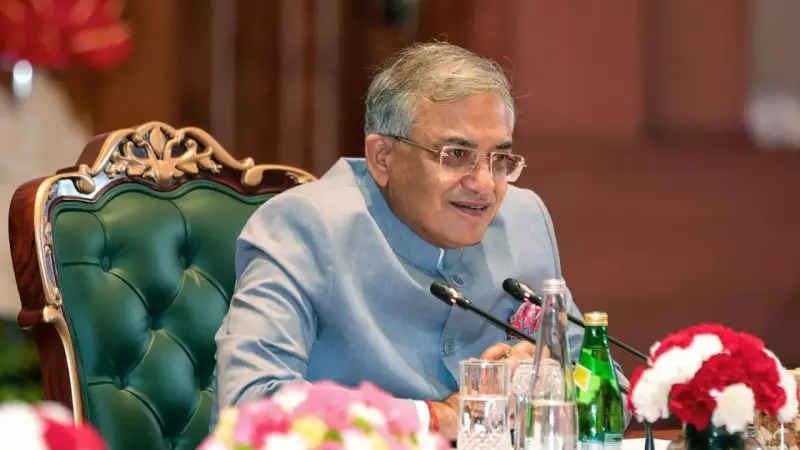
Chief Election Commissioner Gyanesh Kumar, addressing the valedictory session of the three-day India International Conference on Democracy and Election Management (IICDEM), emphasized the practical implementation of these pillars. "We resolve to operationalize these five pillars through cooperation, innovation, and measurable actions," Kumar declared, announcing plans for annual progress reviews with the next meeting scheduled for December 3-5 at the India International Institute for Democracy and Election Management (IIDEM) campus.

Kumar highlighted India's willingness to share its extensive electoral experience, particularly regarding the ECINET digital platform. "India is willing to share its experience regarding ECINET, for co-development of a similar digital platform for any other EMB in accordance with its laws and in its language," the Chief Election Commissioner stated, underscoring the commitment to technological collaboration.
Global Recognition and Technological Emphasis
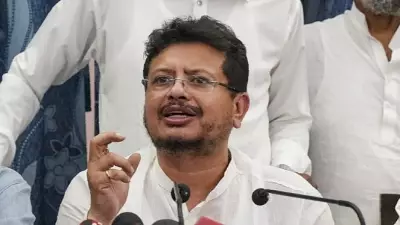
The conference facilitated over 40 bilateral meetings that significantly expanded mutual cooperation and understanding of collective priorities. Election Commissioner Sukhbir Singh Sandhu noted that the "openness, mutual respect, and willingness to learn from one another reflect the maturity and professionalism of the global electoral community."
Election Commissioner Vivek Joshi emphasized the technological dimension, stating that "the launch of ECINET has underlined the importance accorded by EC to technology, including its measured adoption that elicits trust." This focus on balanced technological integration represents a crucial aspect of the declaration's implementation strategy.
Documenting Democratic Diversity
As part of the research pillar, participating EMBs agreed to compile comprehensive reports on the International Institute for Democracy and Electoral Assistance (International IDEA) and document insights from the 36 thematic sessions conducted during IICDEM. This documentation effort aims to create valuable resources for electoral bodies worldwide while preserving the rich diversity of democratic practices.
The Delhi Declaration 2026 marks a significant step toward establishing model international electoral standards, with Chief Election Commissioner Kumar noting that IICDEM has "ignited conversations regarding model international electoral standards" that will shape global democratic practices for years to come.